
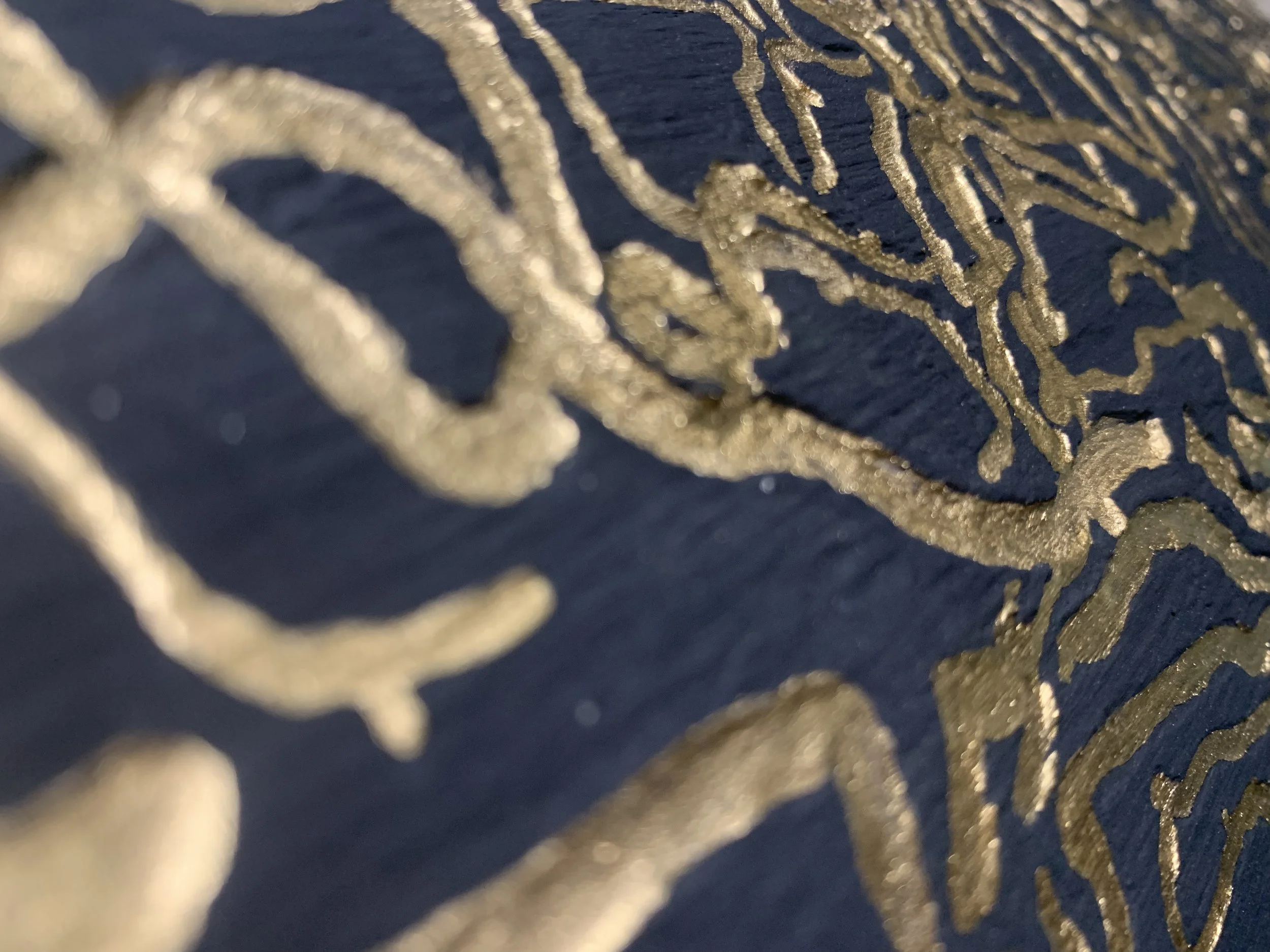
CODEX | SPECULATIVE TRANSLATIONS OF BARK BEETLE Galleries
I first remember noticing these markings when I was little. I would walk through the swamp in my backyard gathering sticks that beetles carved, believing they were the sacred texts of aliens and elves. As I grew older, I couldn’t shake the feeling that the woods had something to say.
Beetles are thought to have evolved around 327 million years, ( in comparison humans evolved 5-7 million years ago) . A modern rove beetle has been dated back originating all the way to the Cretaceous period ( 145-65 million years ago ). What kind of knowledge does a creature that has roamed this earth for so long possess? Could the answers lie in the patterns they create?
Invasions are common in areas of significant rising temperatures due to climate change and in areas where the monoculture of trees are systematically planted. This creates an imbalance in the forest and leads to poor nutrition of the soil, dryness, instability and forest fires. The stress of the trees is what initially, and most commonly attracts the beetles. The tree emits a signal that the beetle can sense when it is in distress and from there the beetle attracts others to help them finish the job. As we blame beetles for the destruction of our forests it is important to remember our catalyzing role, “Beetles do not start the process of death, they finish it.“ - Anne Sverdrup-Thygeson
Forests are marked with these warnings across the globe. Just like ancient human civilizations did years ago into stone, could beetles be carving their stories into wood?
My hypothesis was that I would uncover patterns that will lead me closer to a deeper understanding between beetle and human.
What I have begun uncovering in collaboration with Neural Machine Learning is a deep interconnectivity of all earth matter- human, beetle and computer.
LIBRARY OF TRANSCRIPTIONS- SÃO Luis, PT.


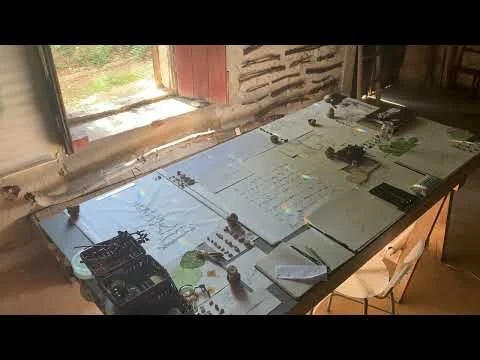

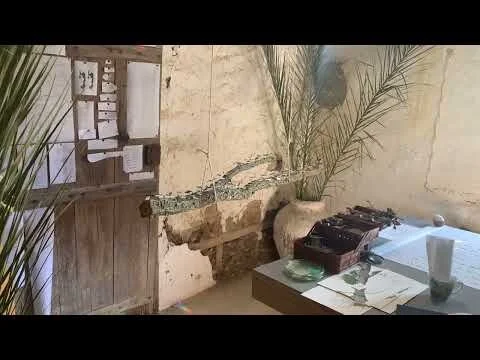
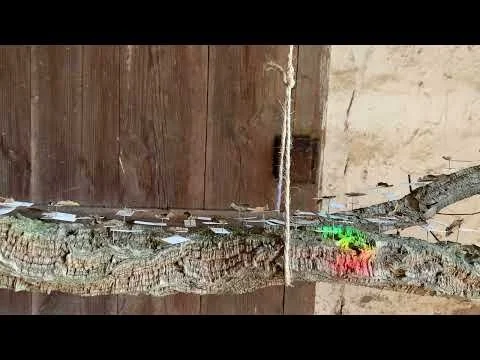

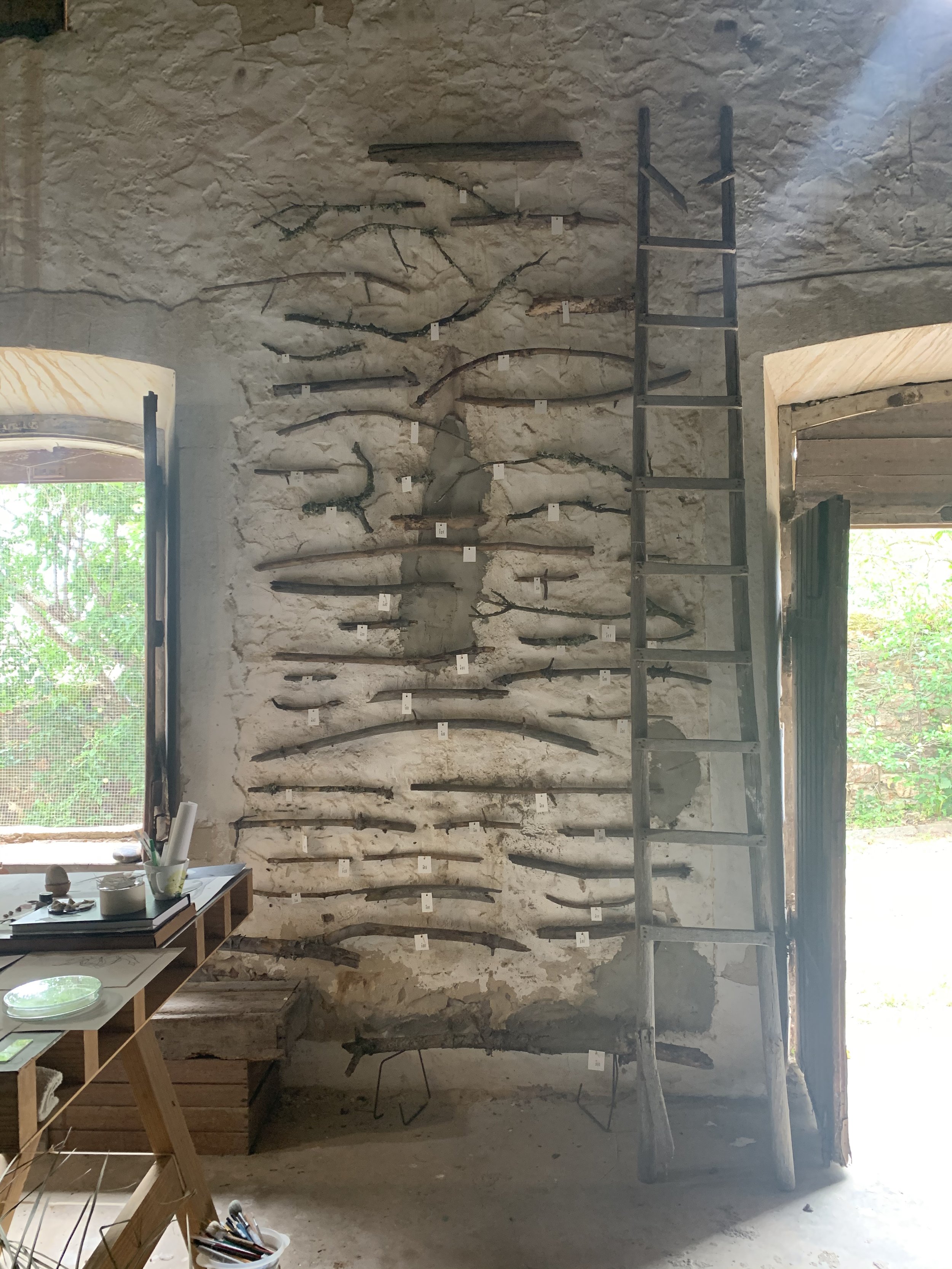


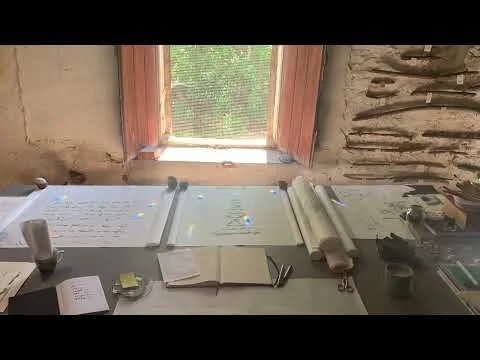
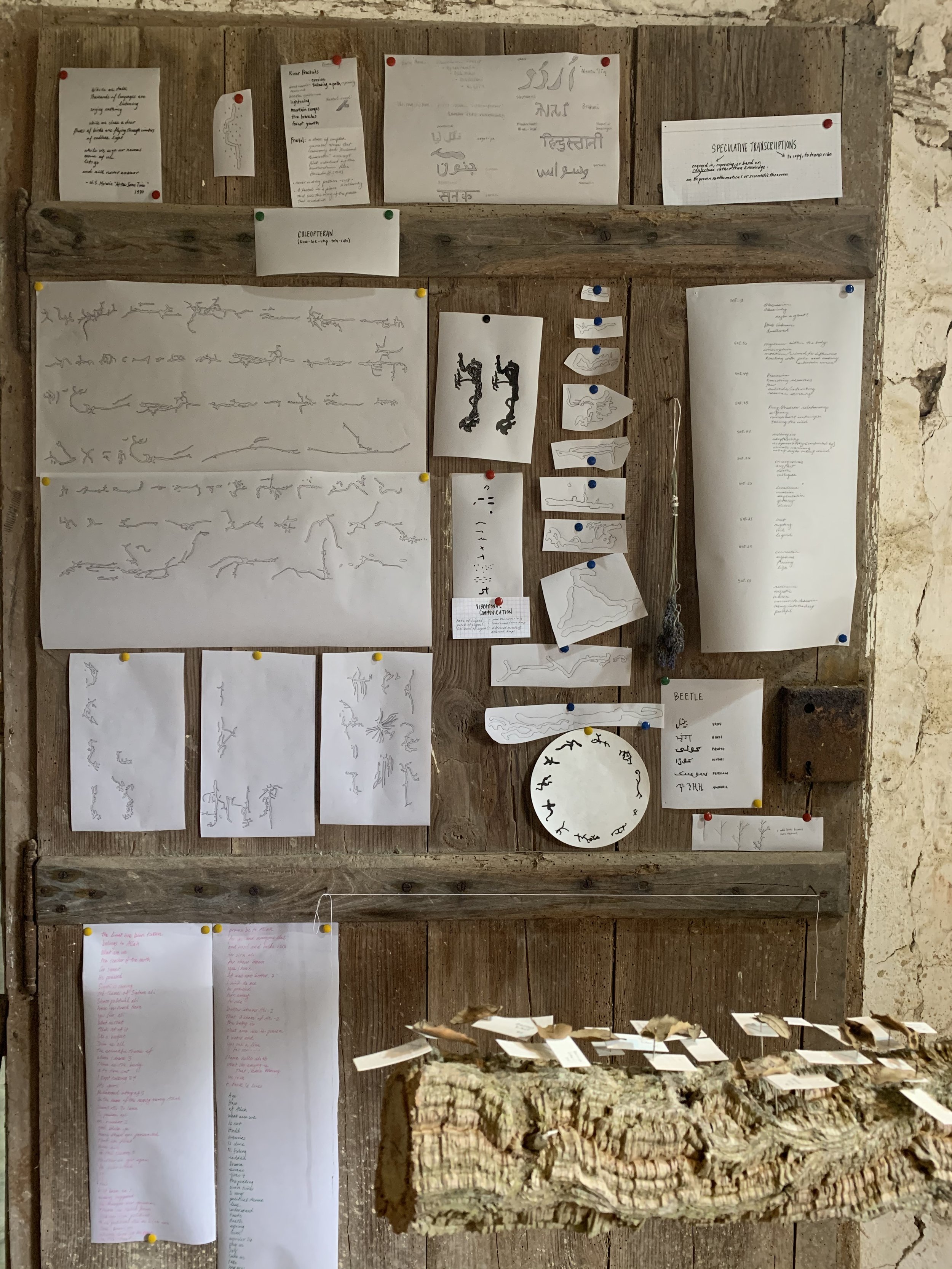


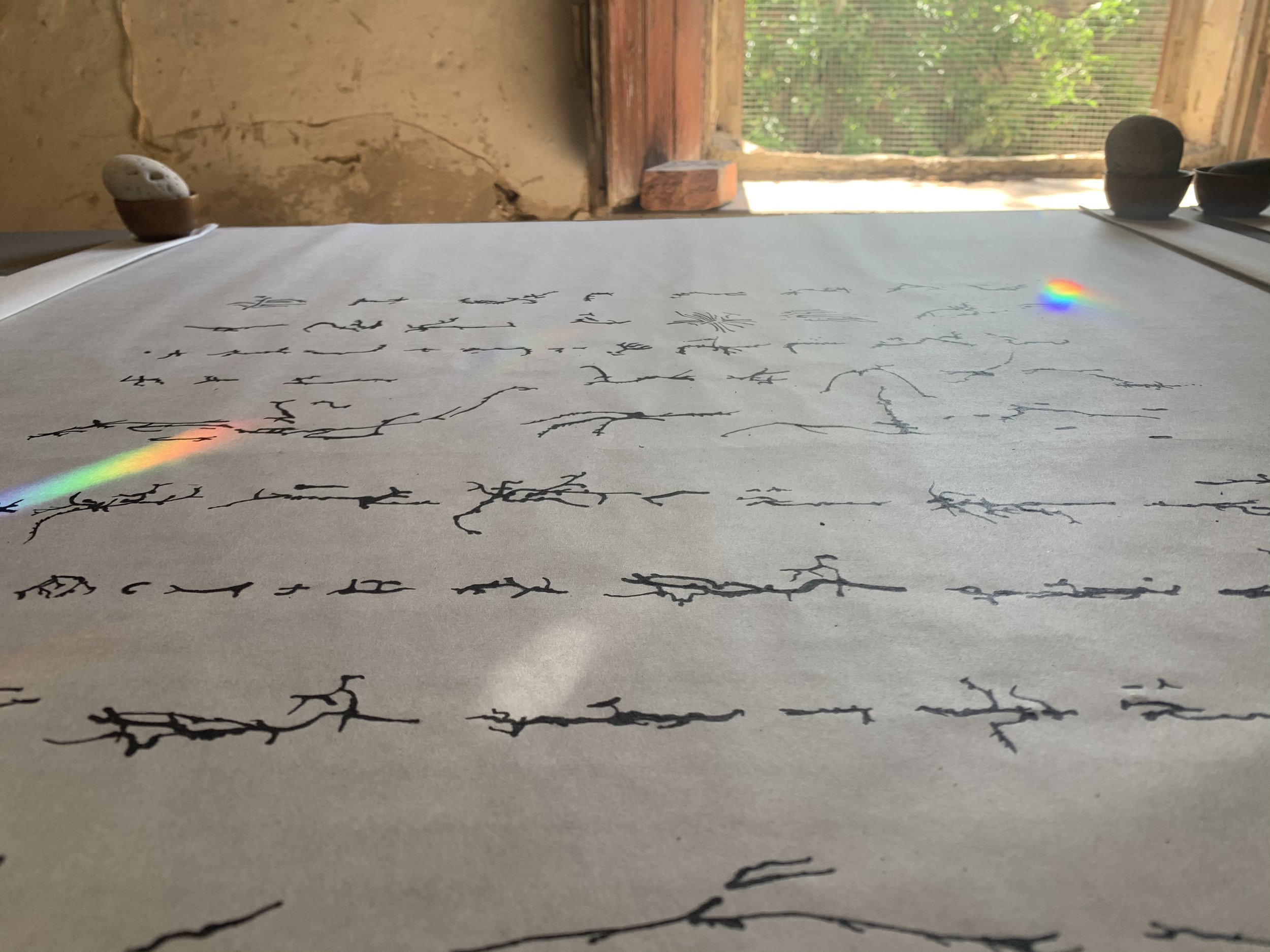


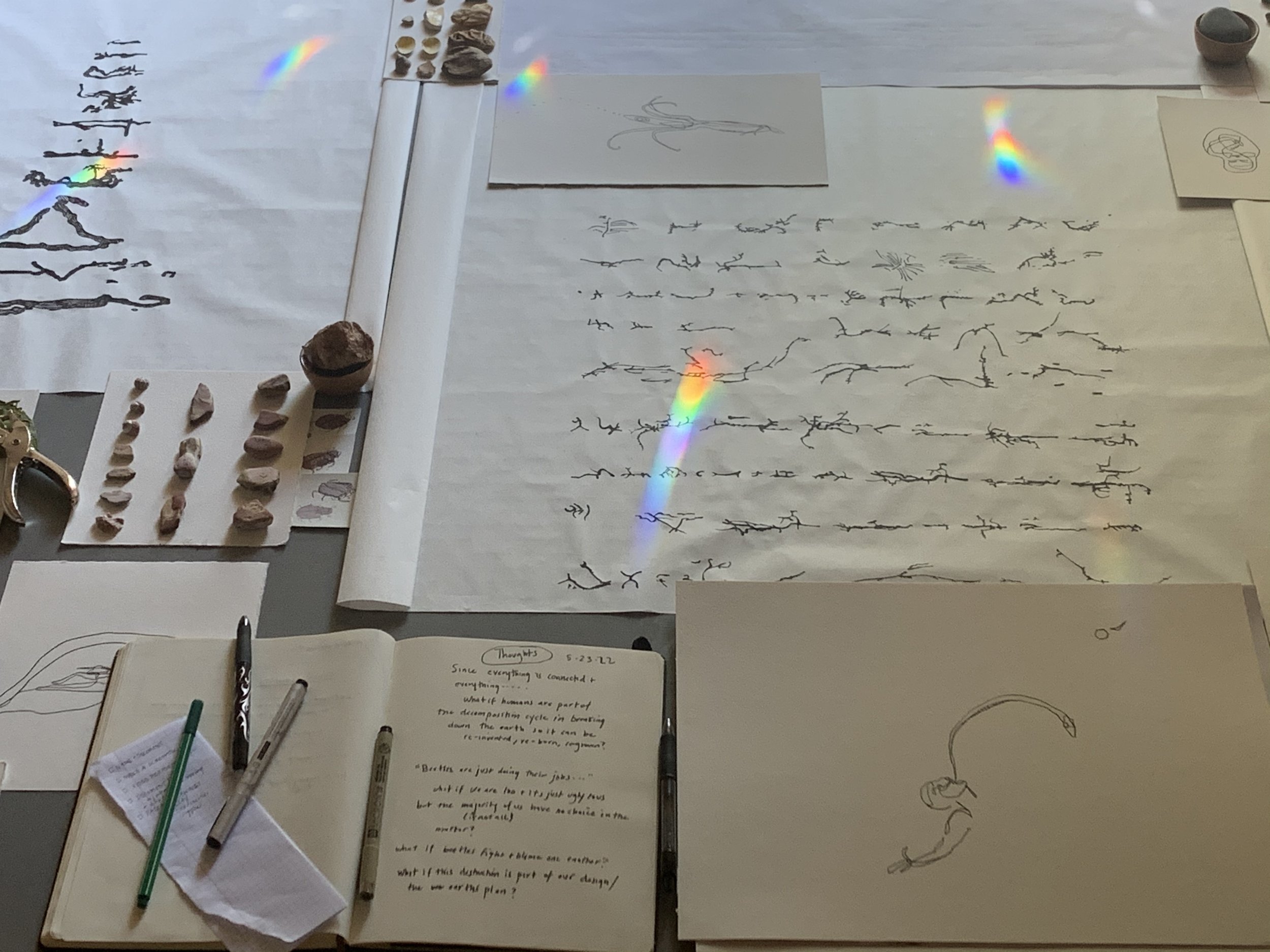

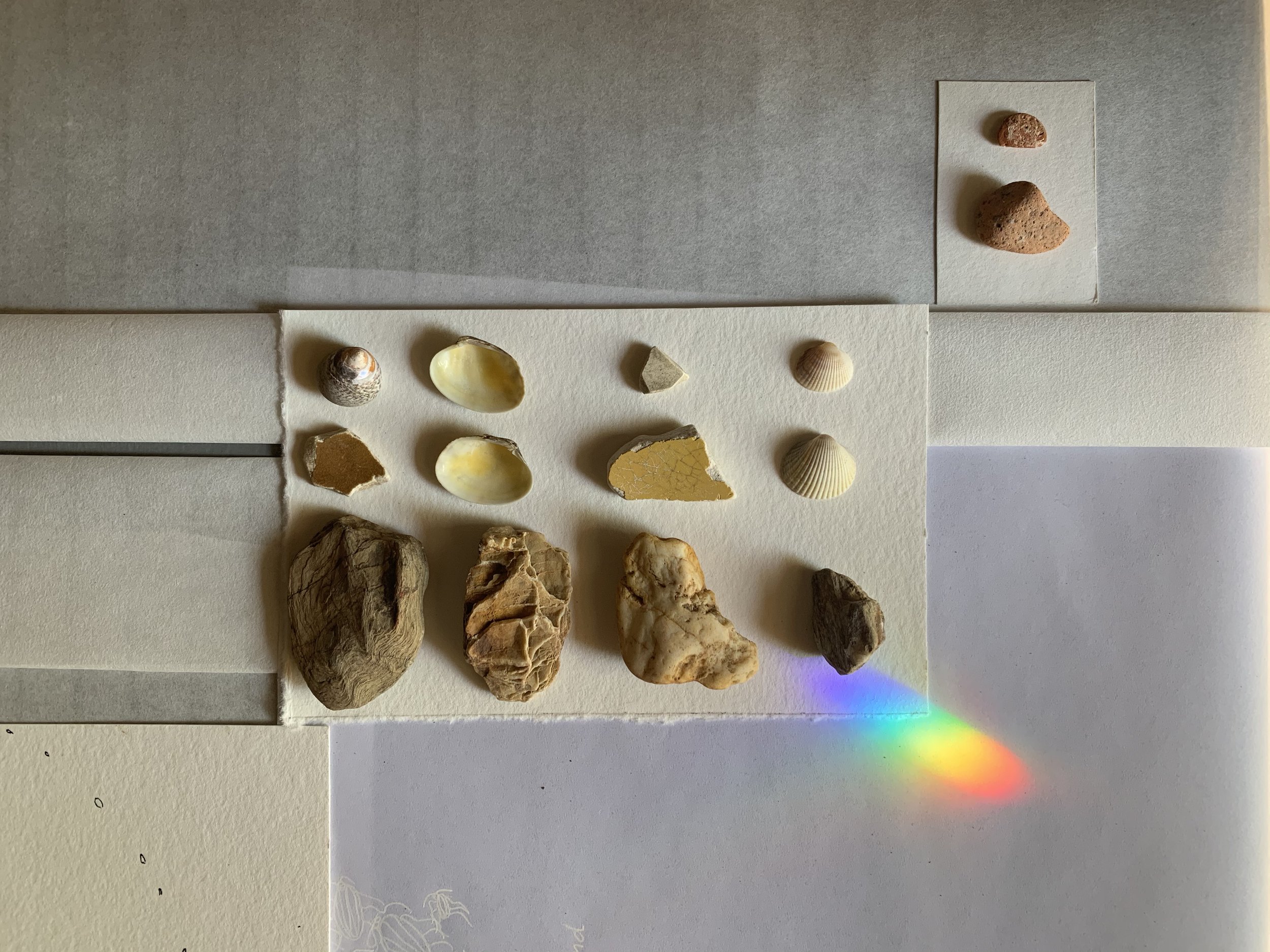


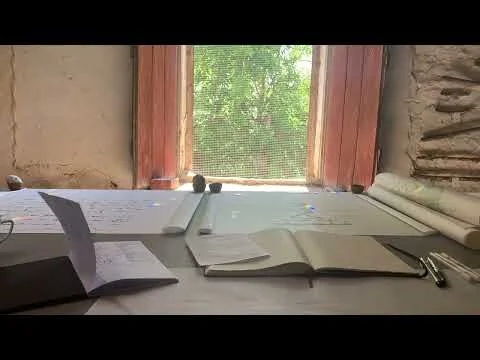
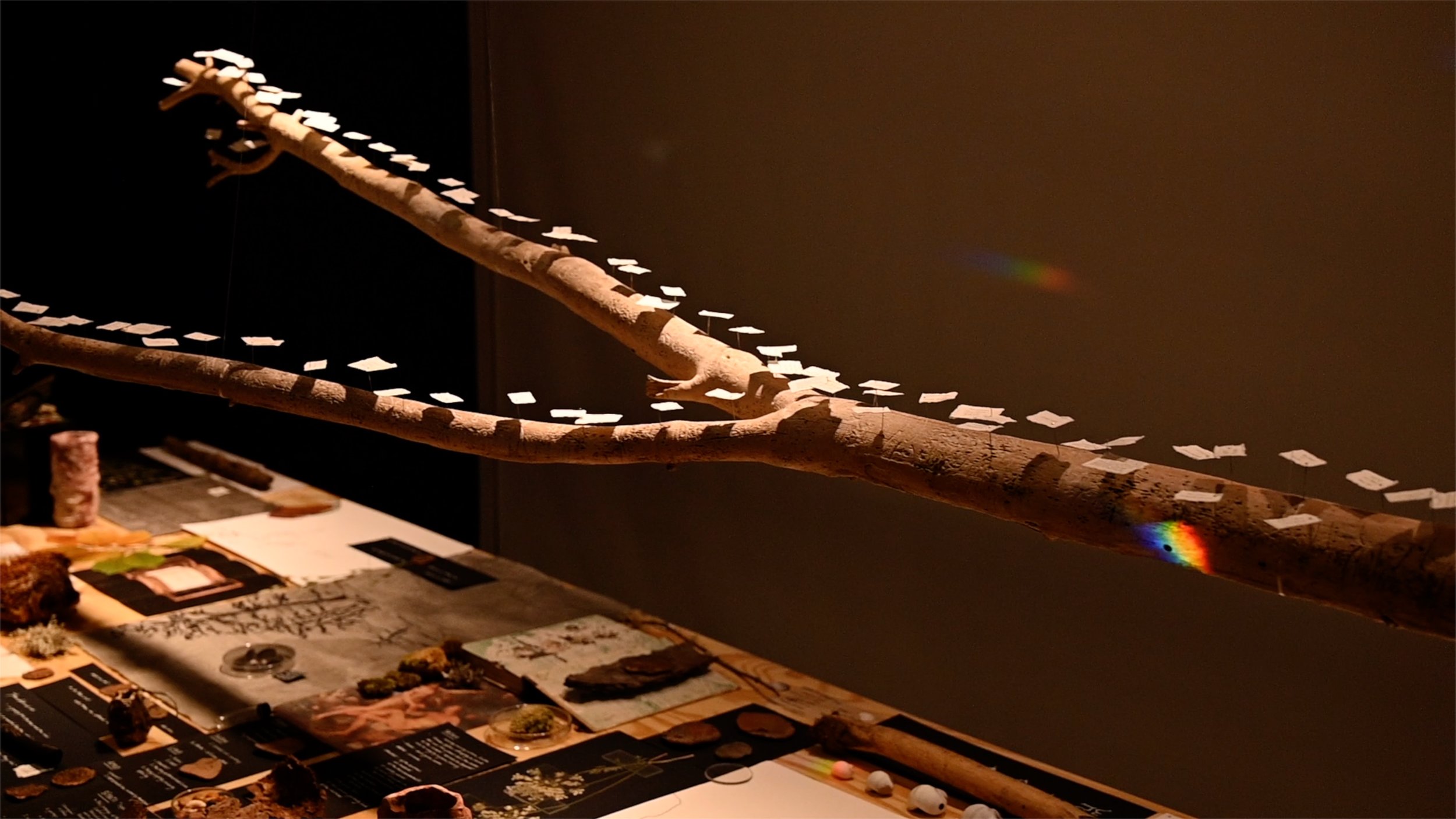
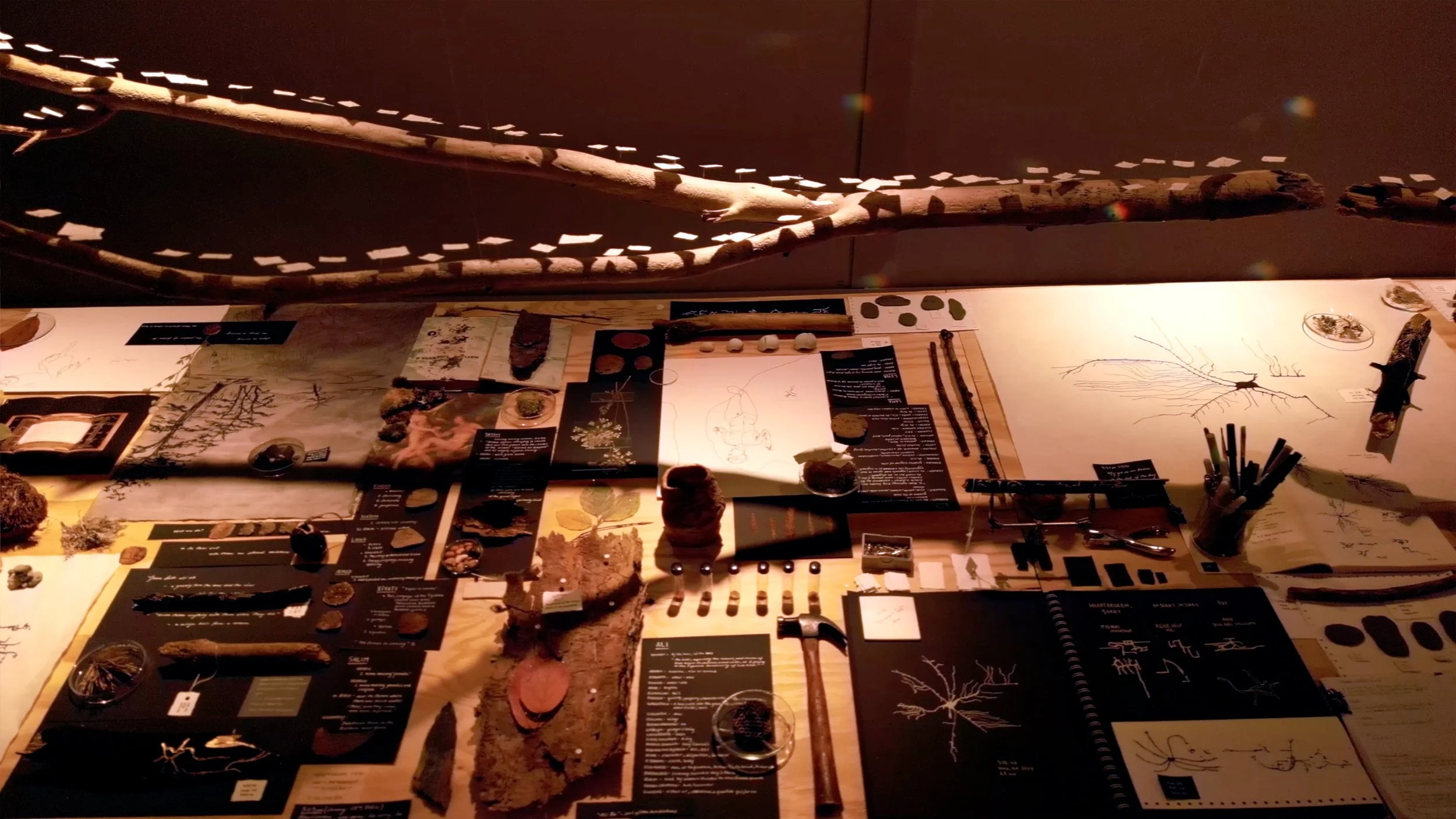
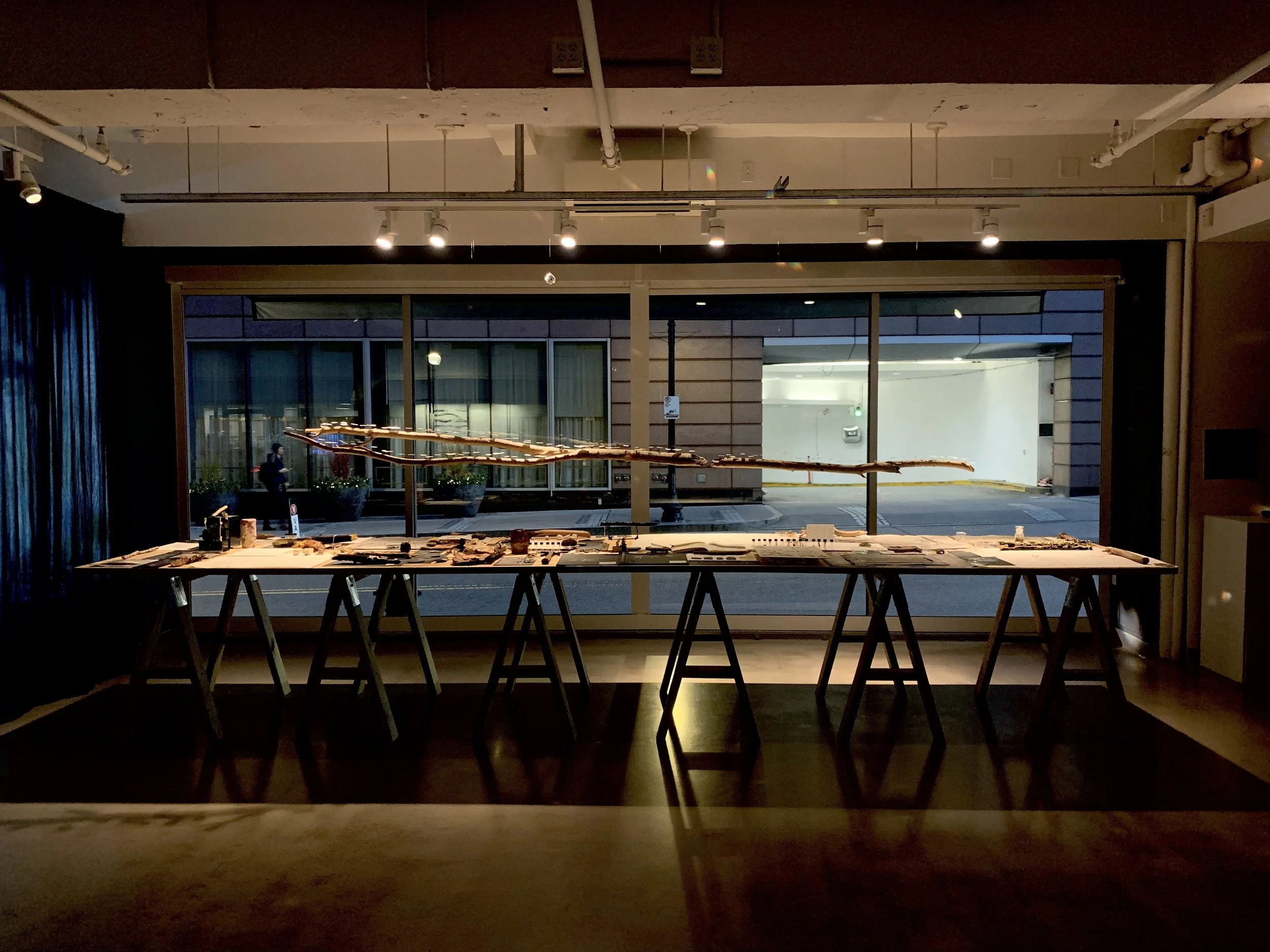
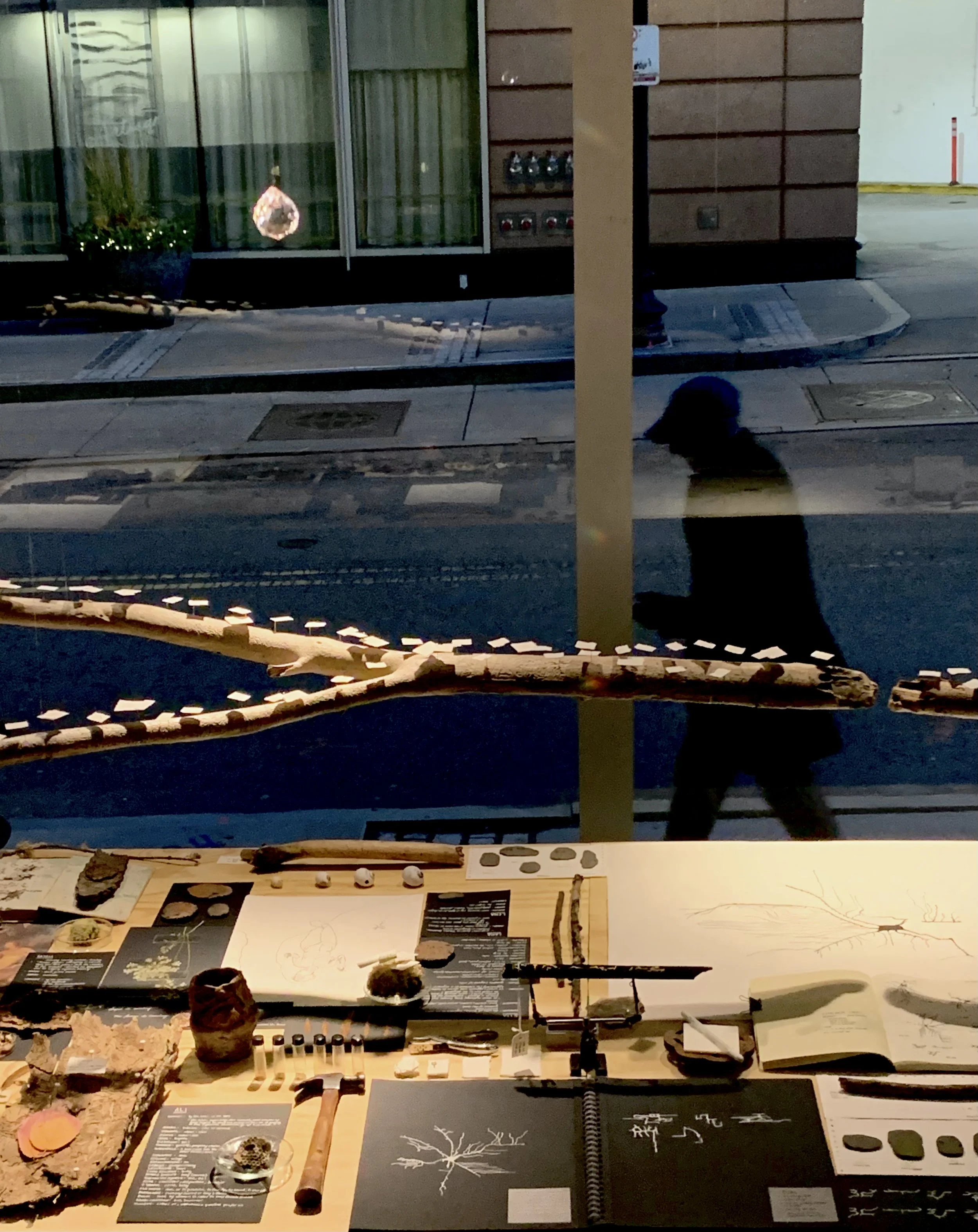
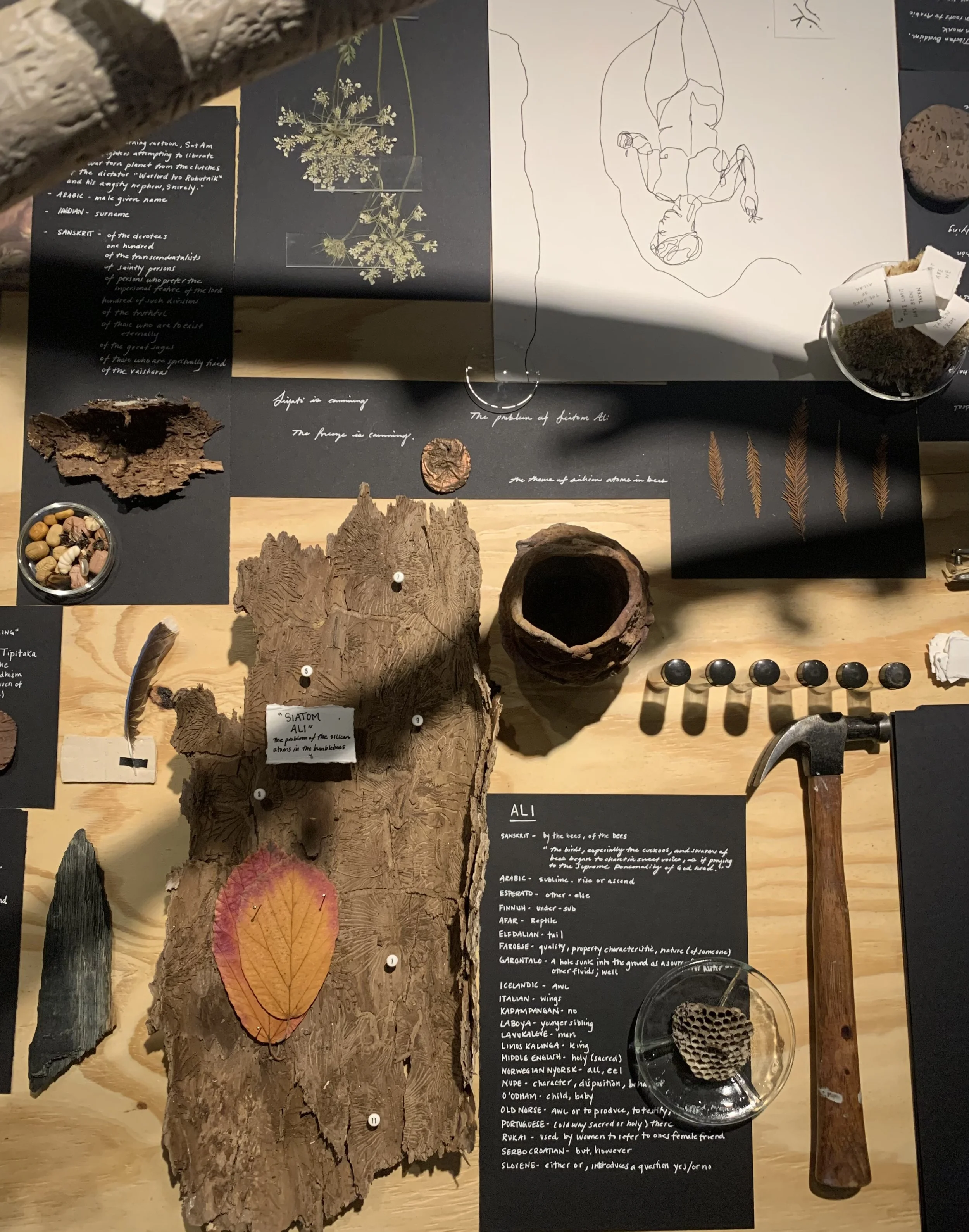
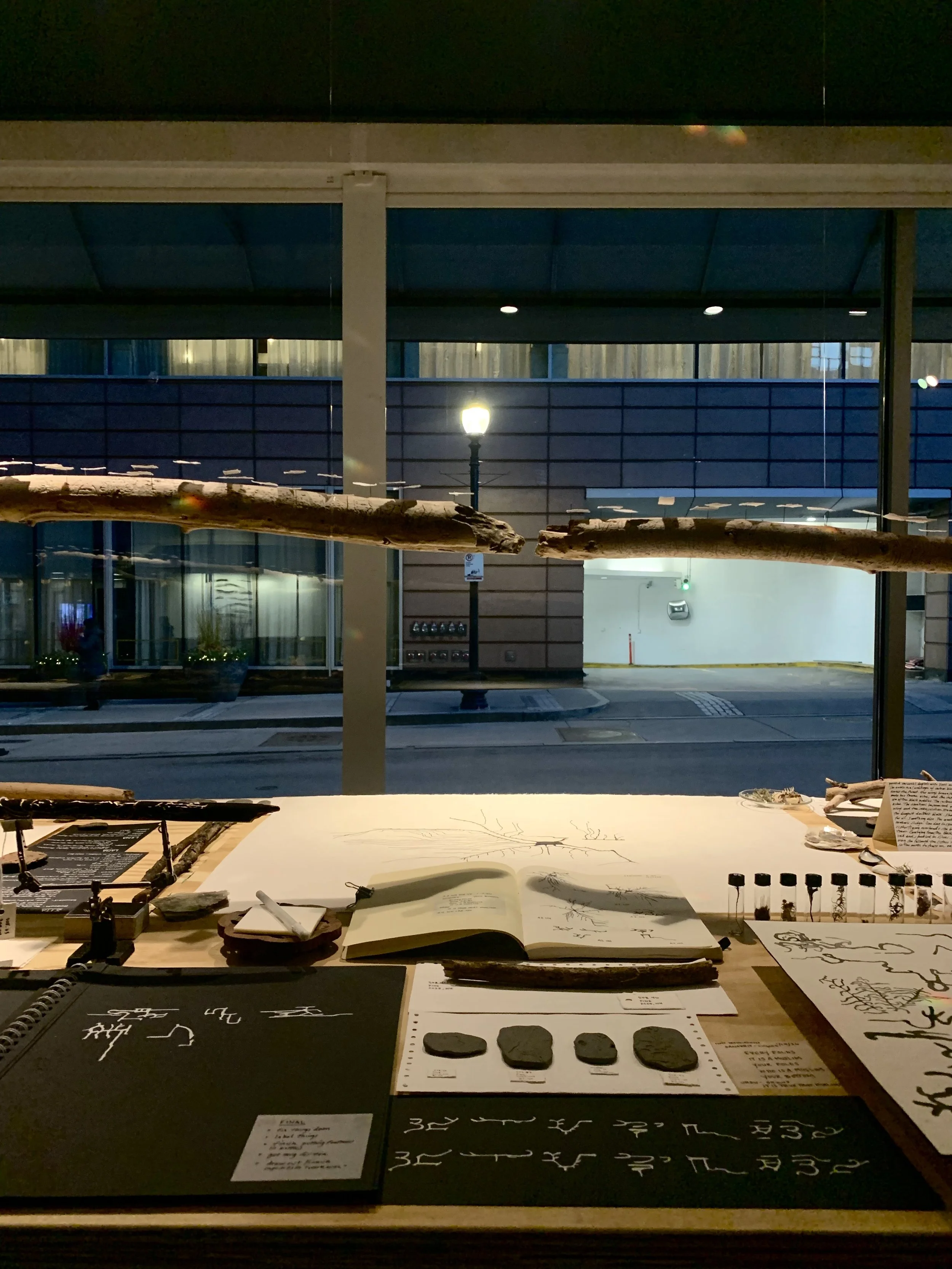
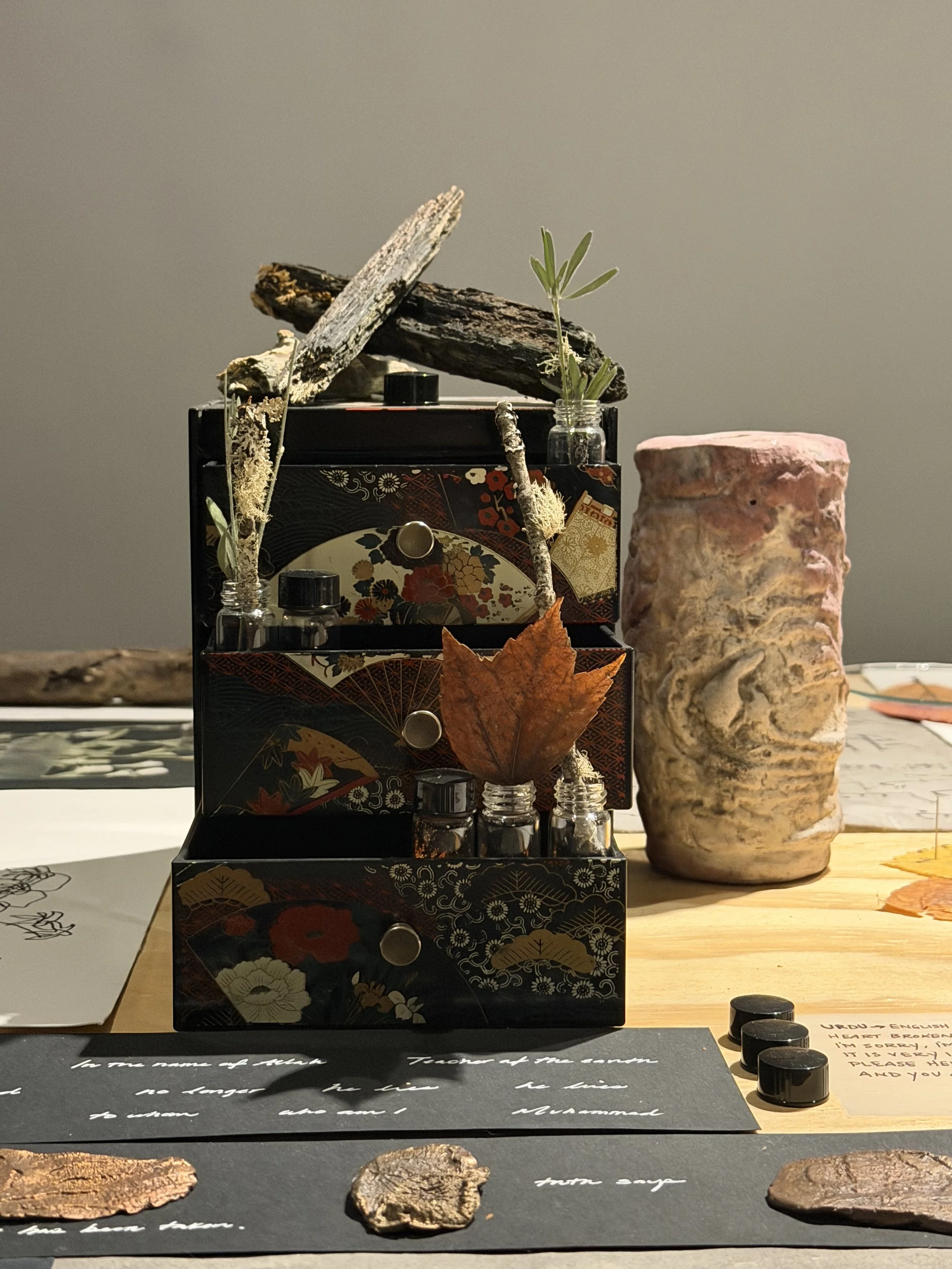
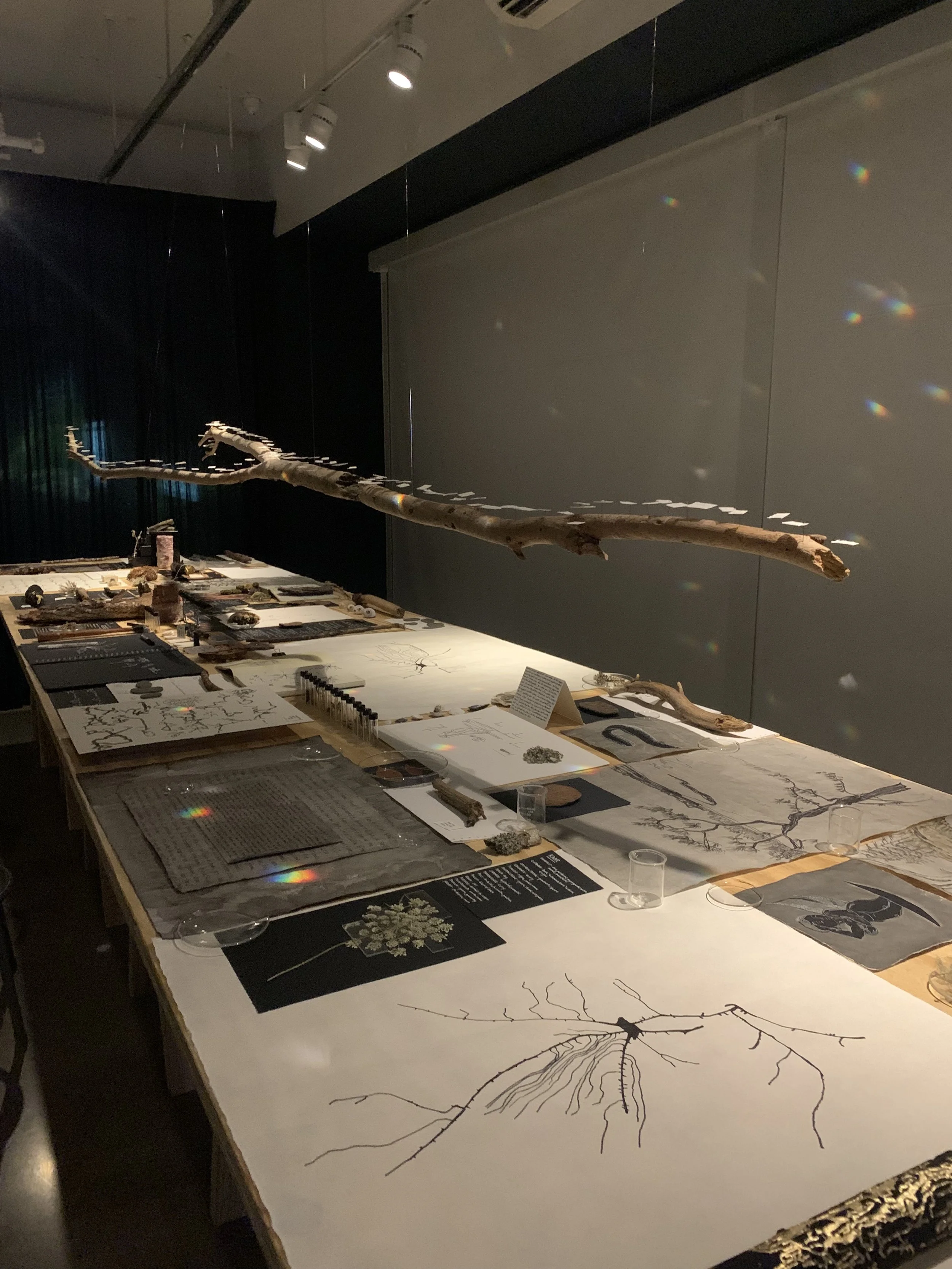
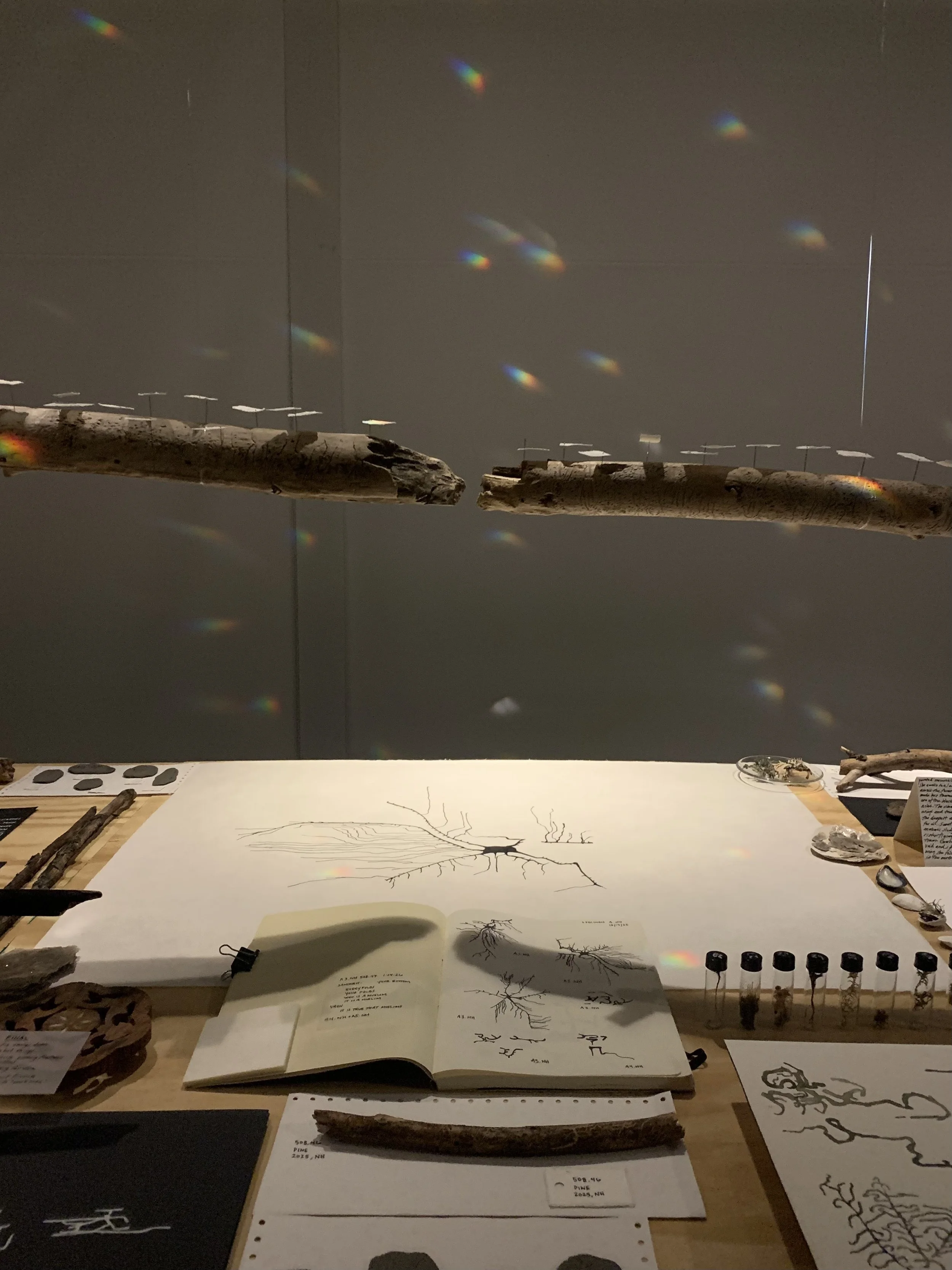
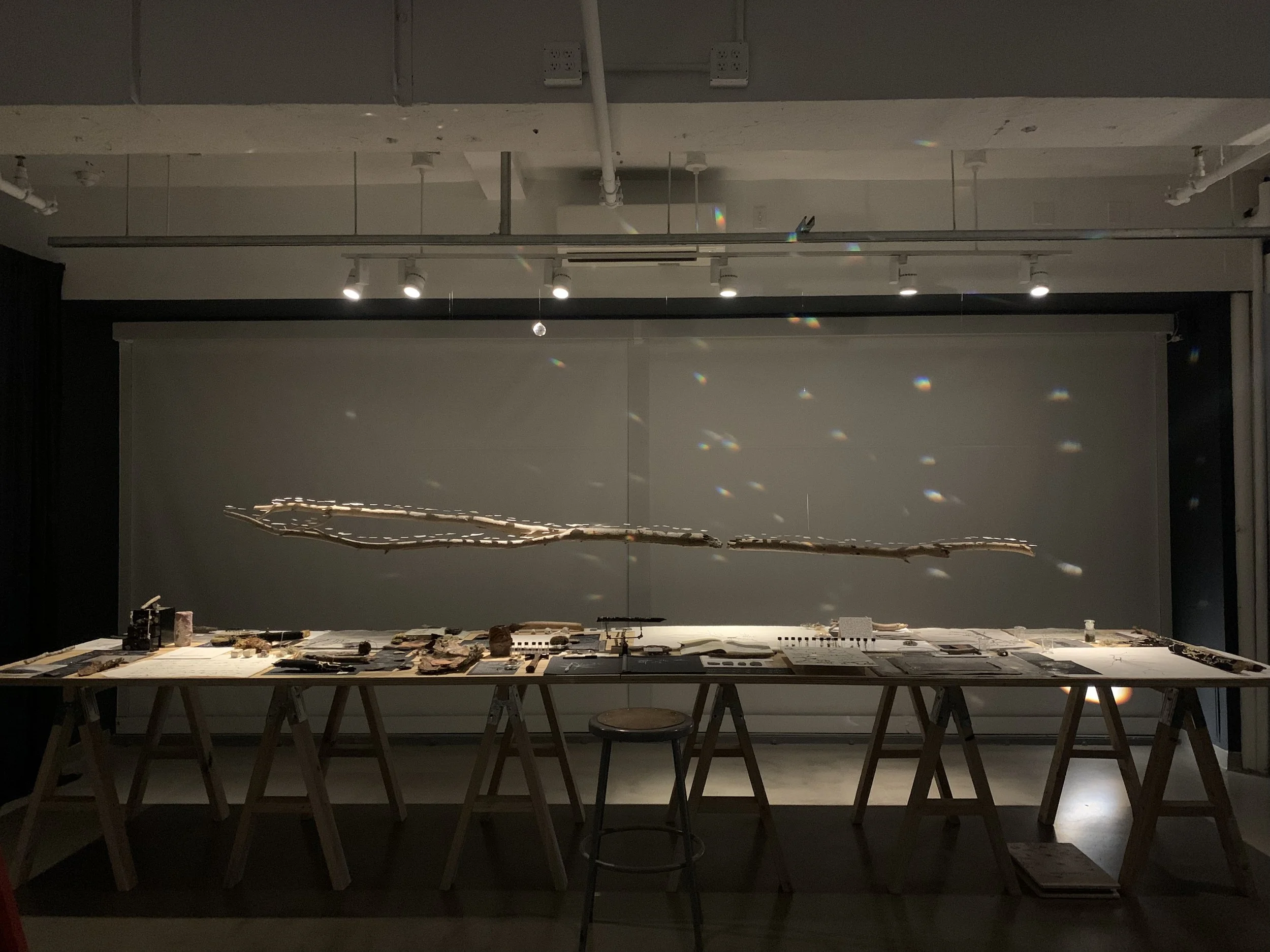
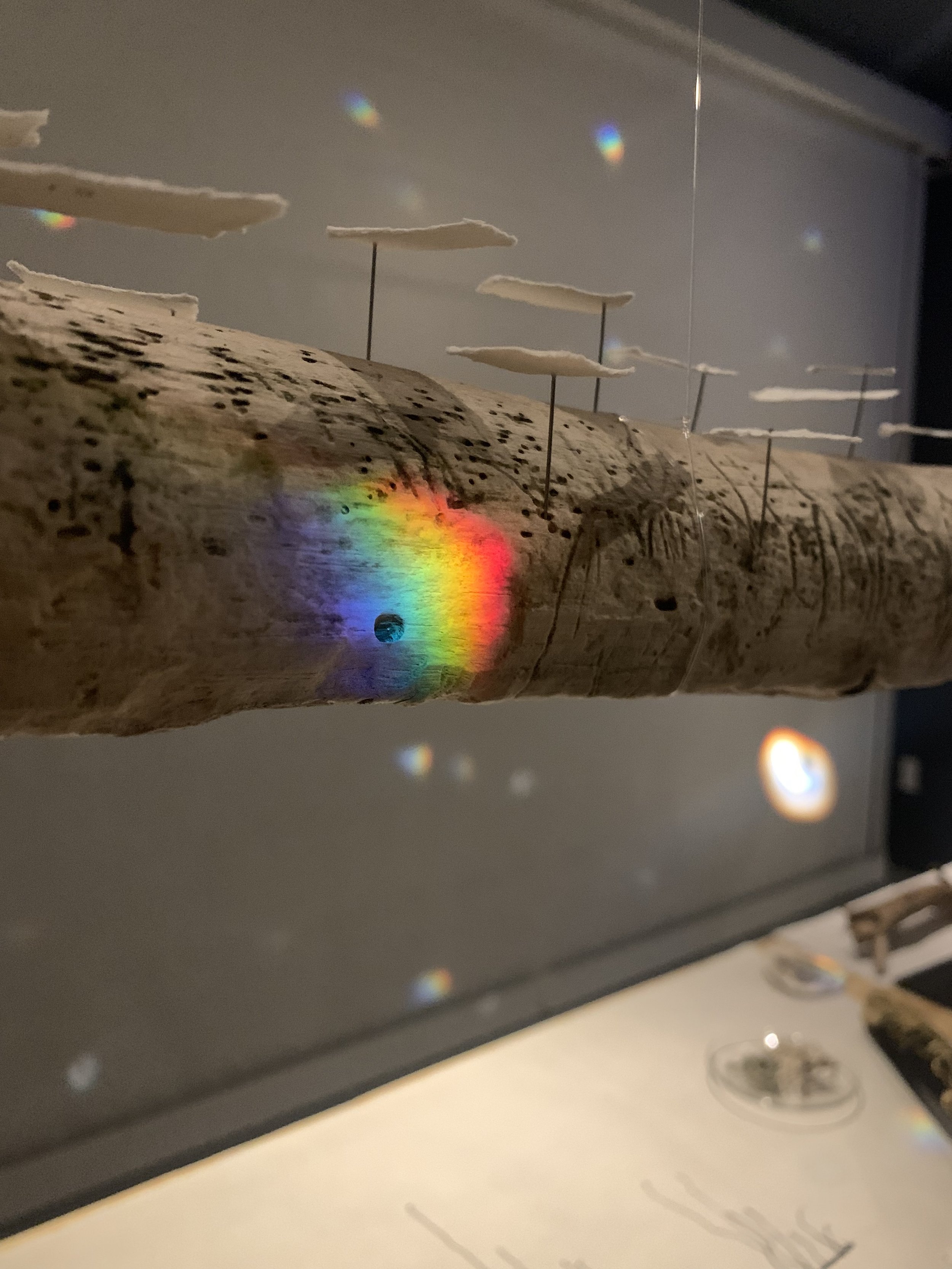
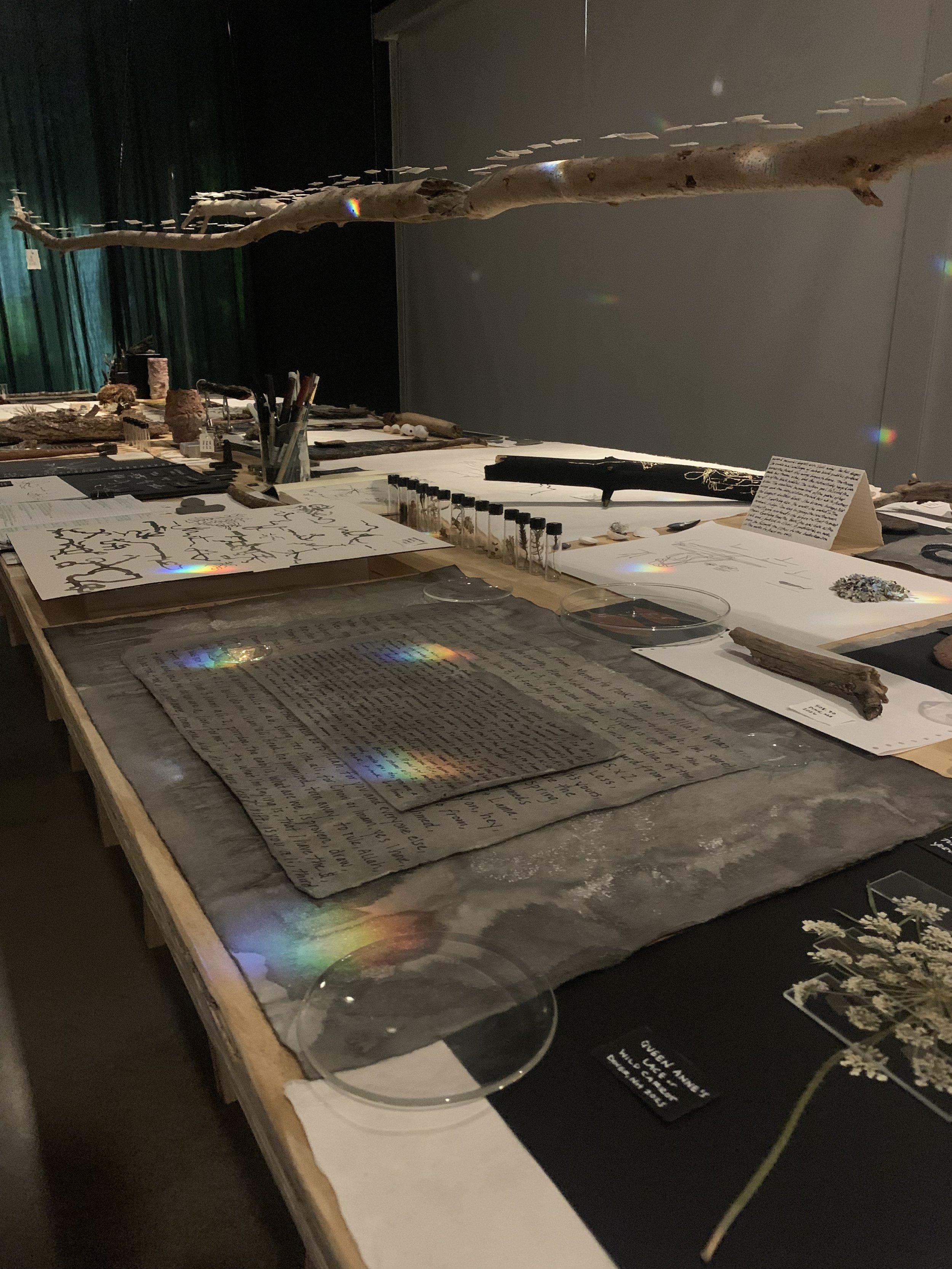
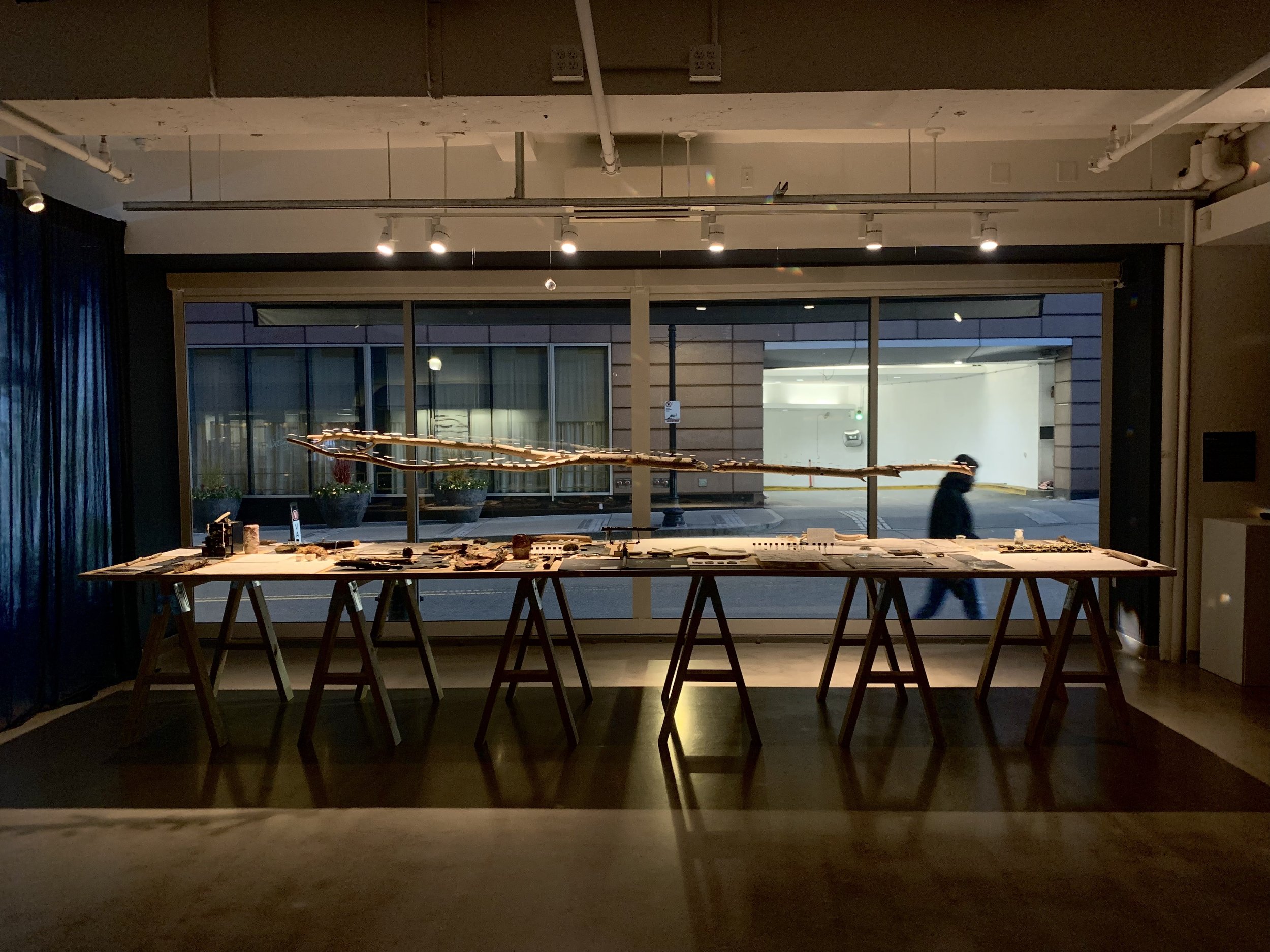
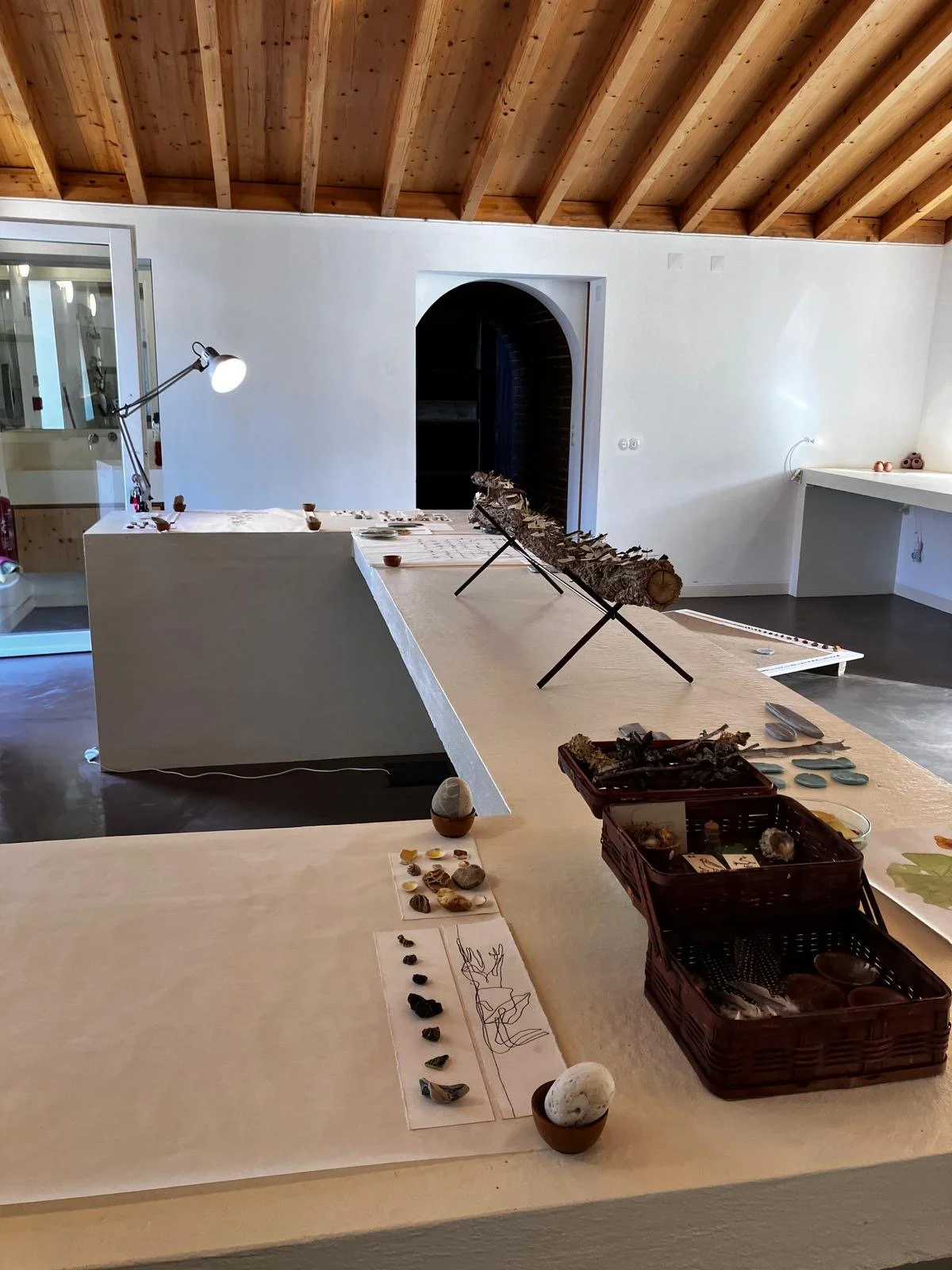
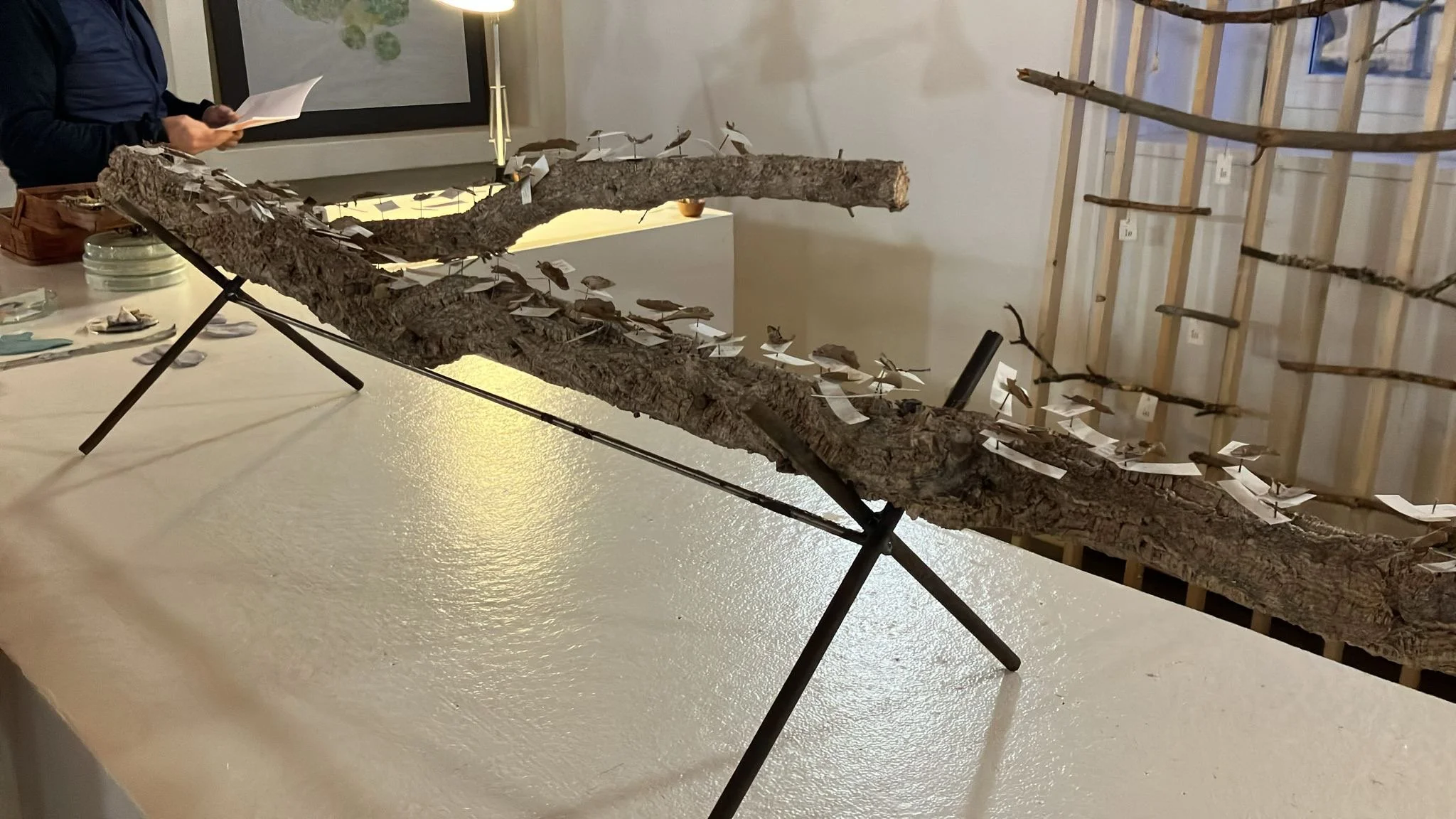
Phase I of the project takes the form of a library; an installation where research, community involvement, language exploration and visual development of a living and breathing "codex" began. Permanently located in São Luis , Portugal, “Library of transcriptions and speculative translations of bark beetles.” includes, “The Table of Transcription”, “The Door of Interpretation”, “Pinning Observatory” , “Imprint Archive” “Blue Stain Fungus Studies” and the “Library of Galleries”.
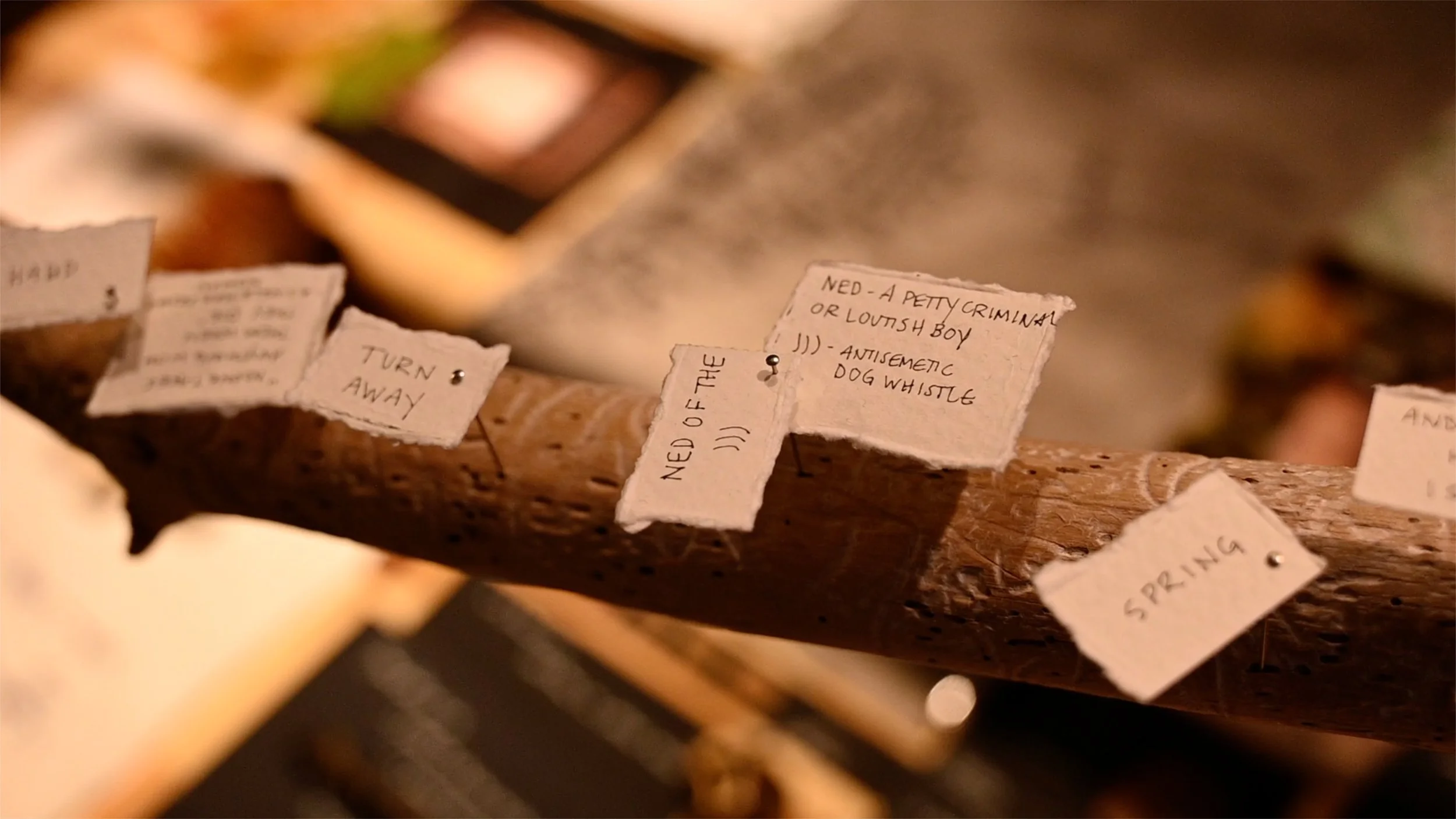
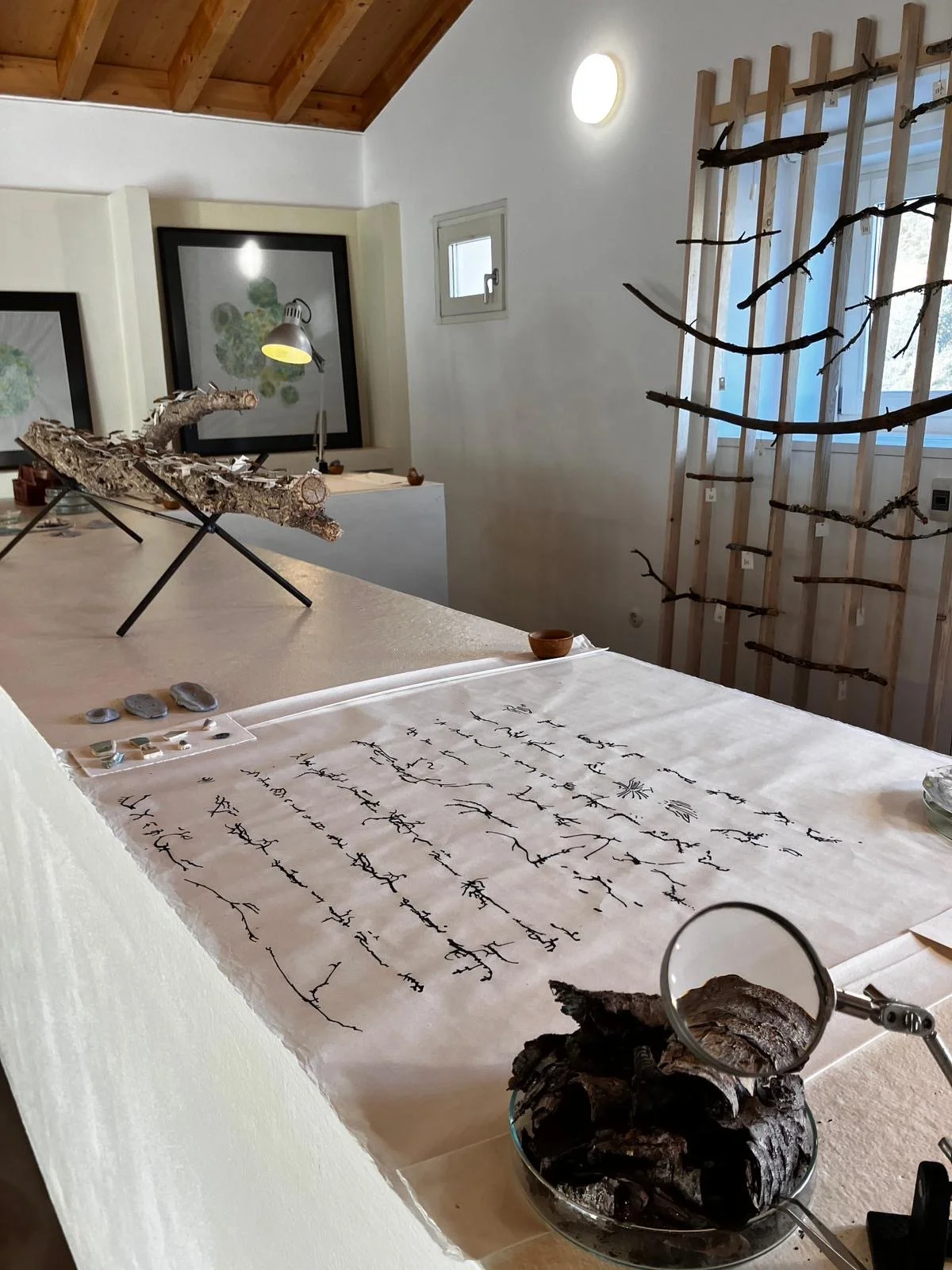
I began to explore these ideas in depth in the Alentejo region of Portugal in 2018 which has a very similar climate to California. There they grow wine and also a lot of Eucalyptus trees for paper as well as native cork and olives. I walked around and collected fallen branches from the surrounding property that bore the engravings from beetle activity. I began to label the sticks and create my own “library” and the process of writing down all of the markings into a diary and organizing the transcriptions into columns and lines the way we would typically organize an alphabet or the way we would read a book.
MICRODOC About translation process at cultivamos cultura
THE LIMIT has been taken - BOSTON, MA.
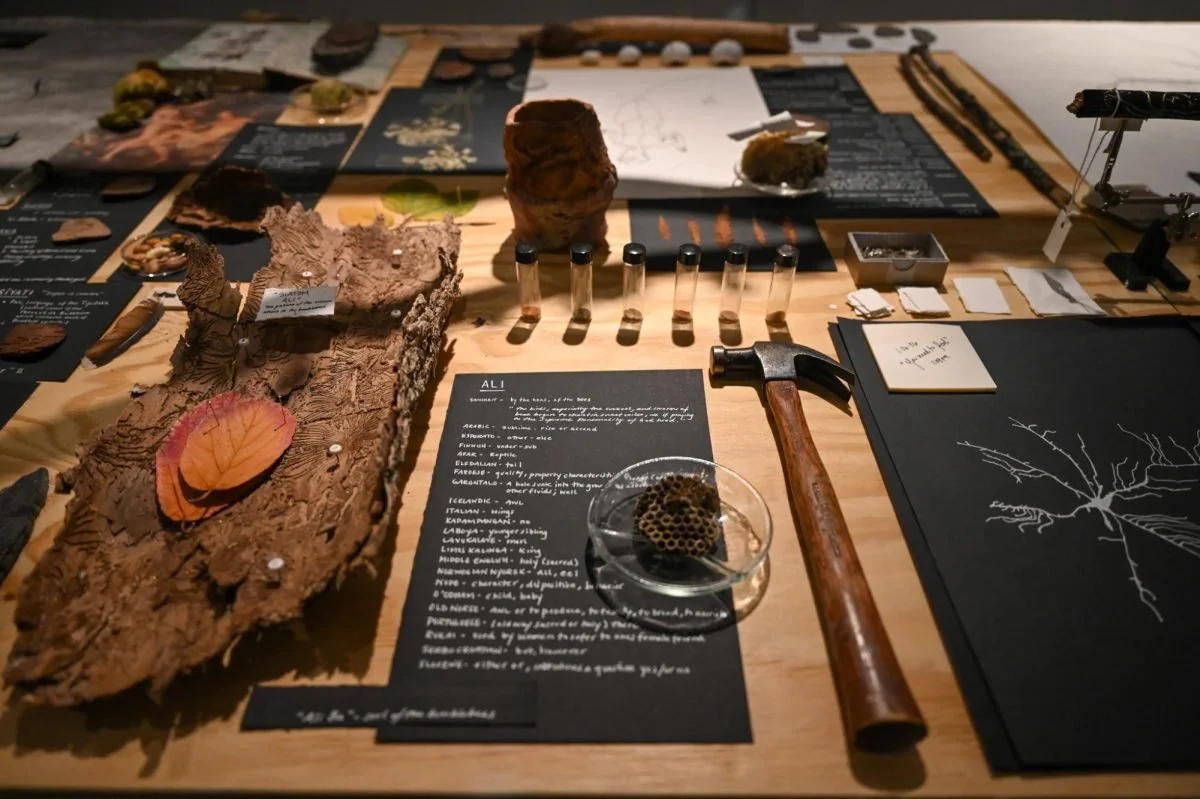
“[It’s] this idea of how humans can experience spirituality just through being present in the world around them. Another step that this show takes is reminding us that everything is of this Earth,” she said. “It can be quite sobering to remember, you know, the computer, it’s from the Earth. It’s just highly processed…this show, it’s a reminder of that — this immense interconnectivity.”
- Curator Shana Garr on “A Sentient land- Aesthetic Alliances with Forests, beetles, salt and Air” in the berkeley beacon ( Rina Laby)
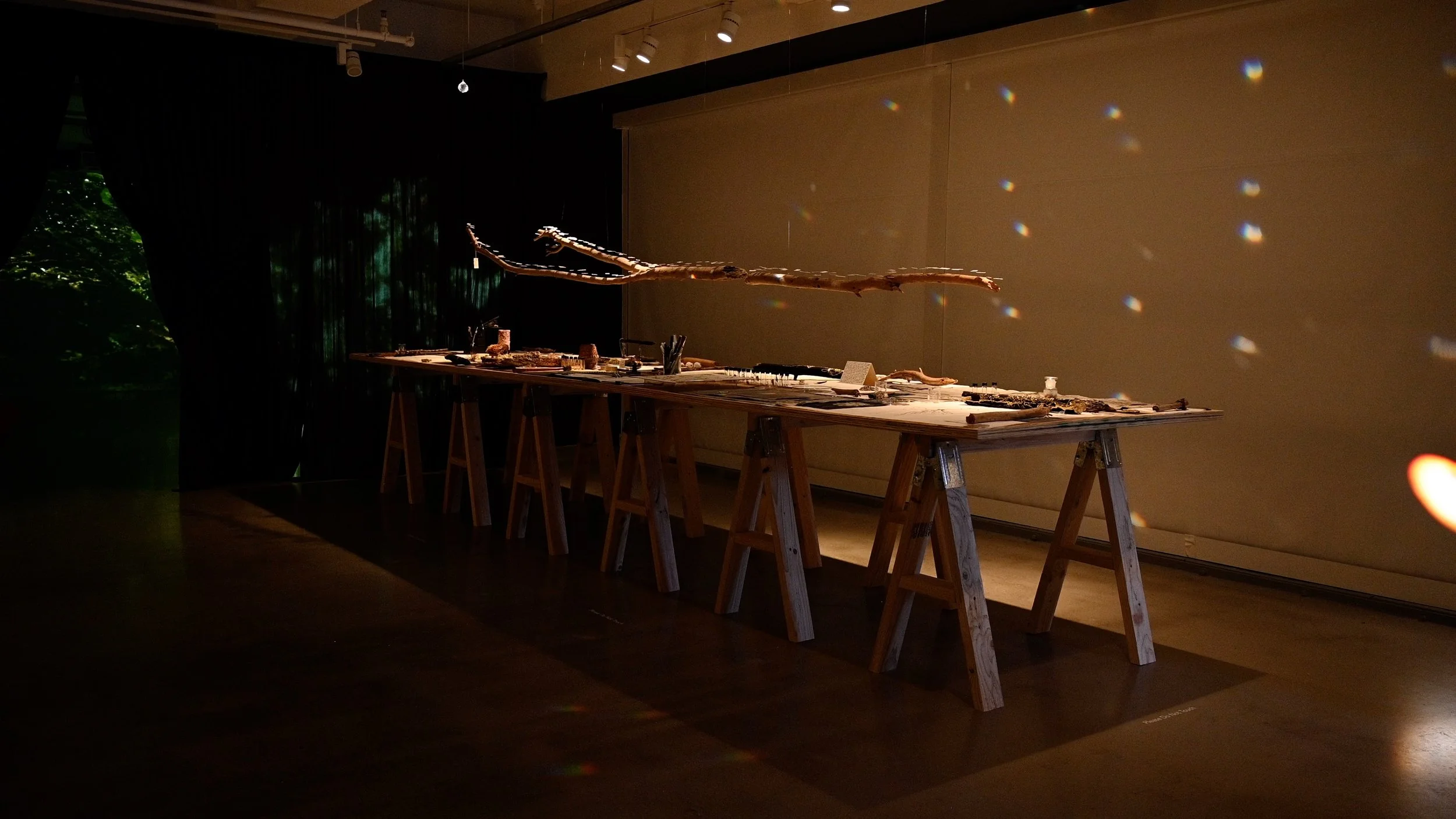
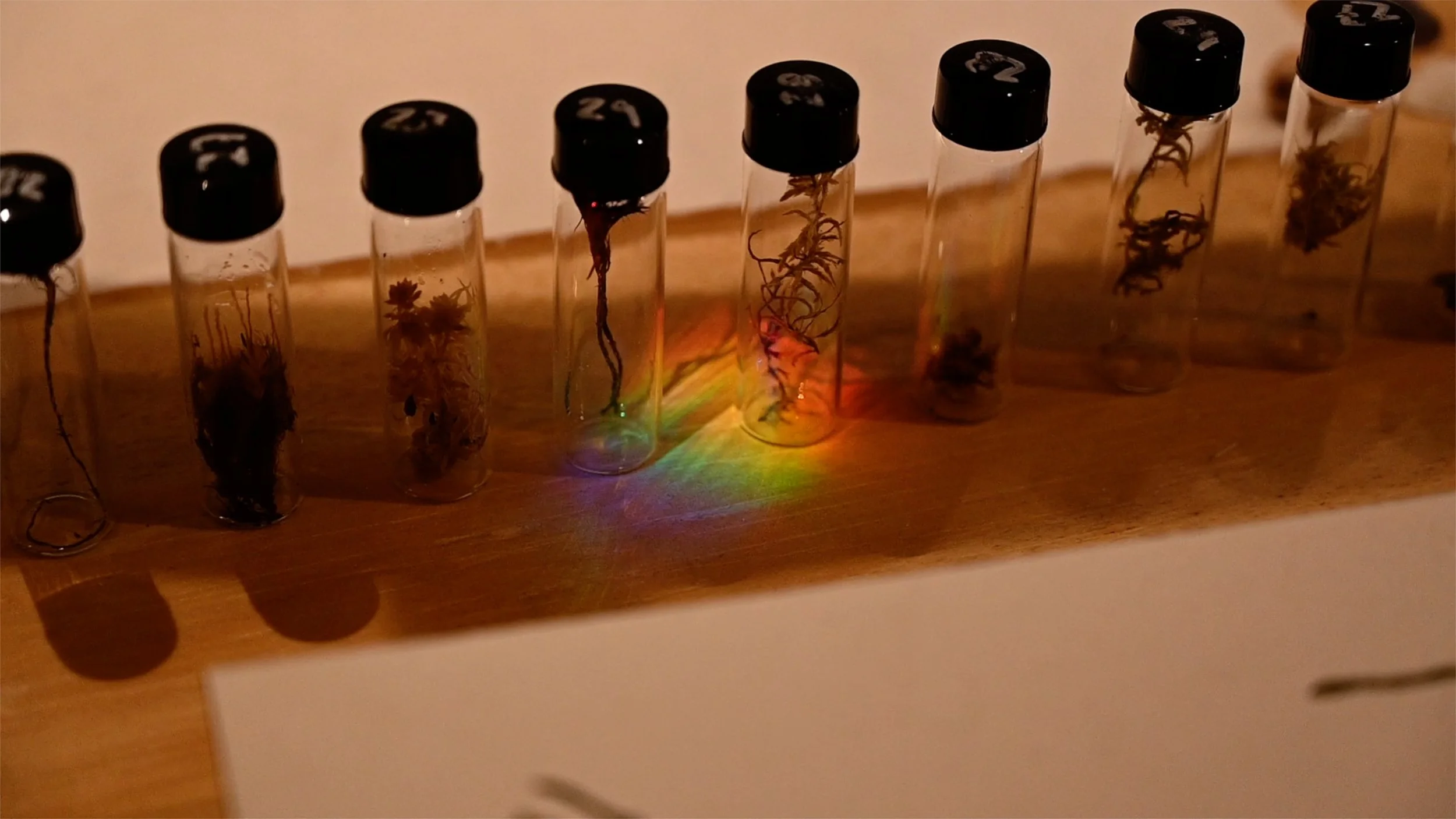
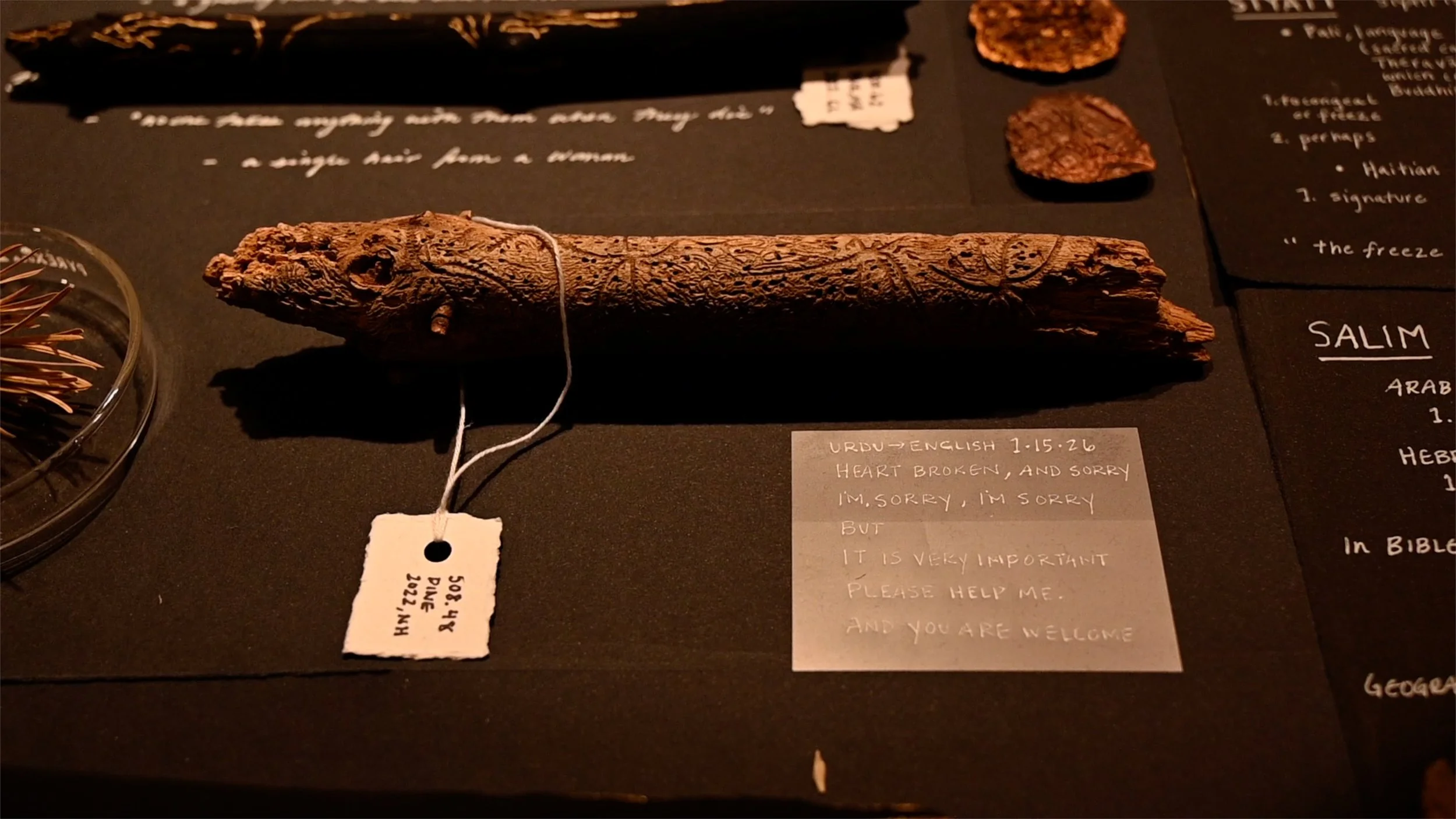
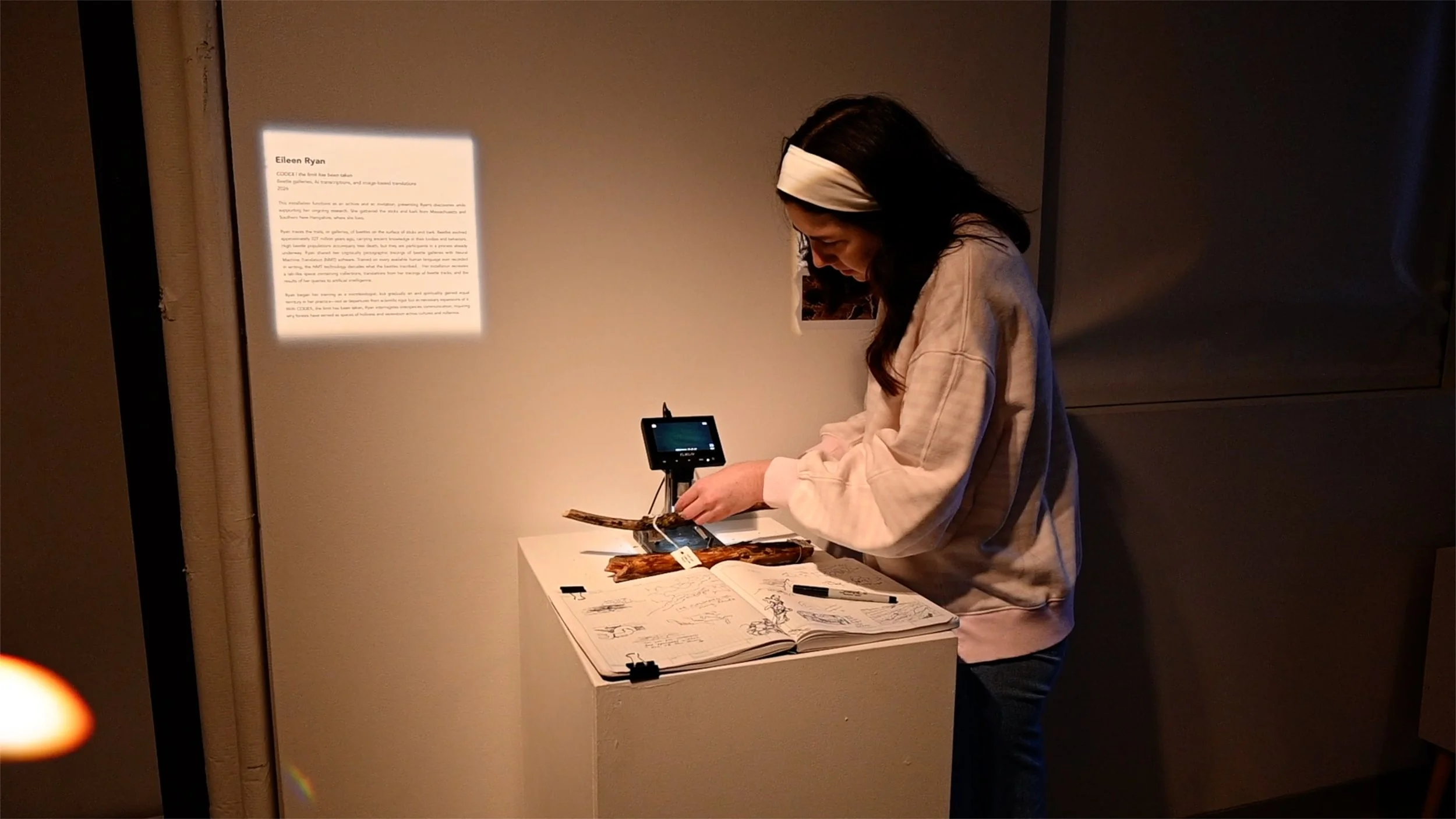
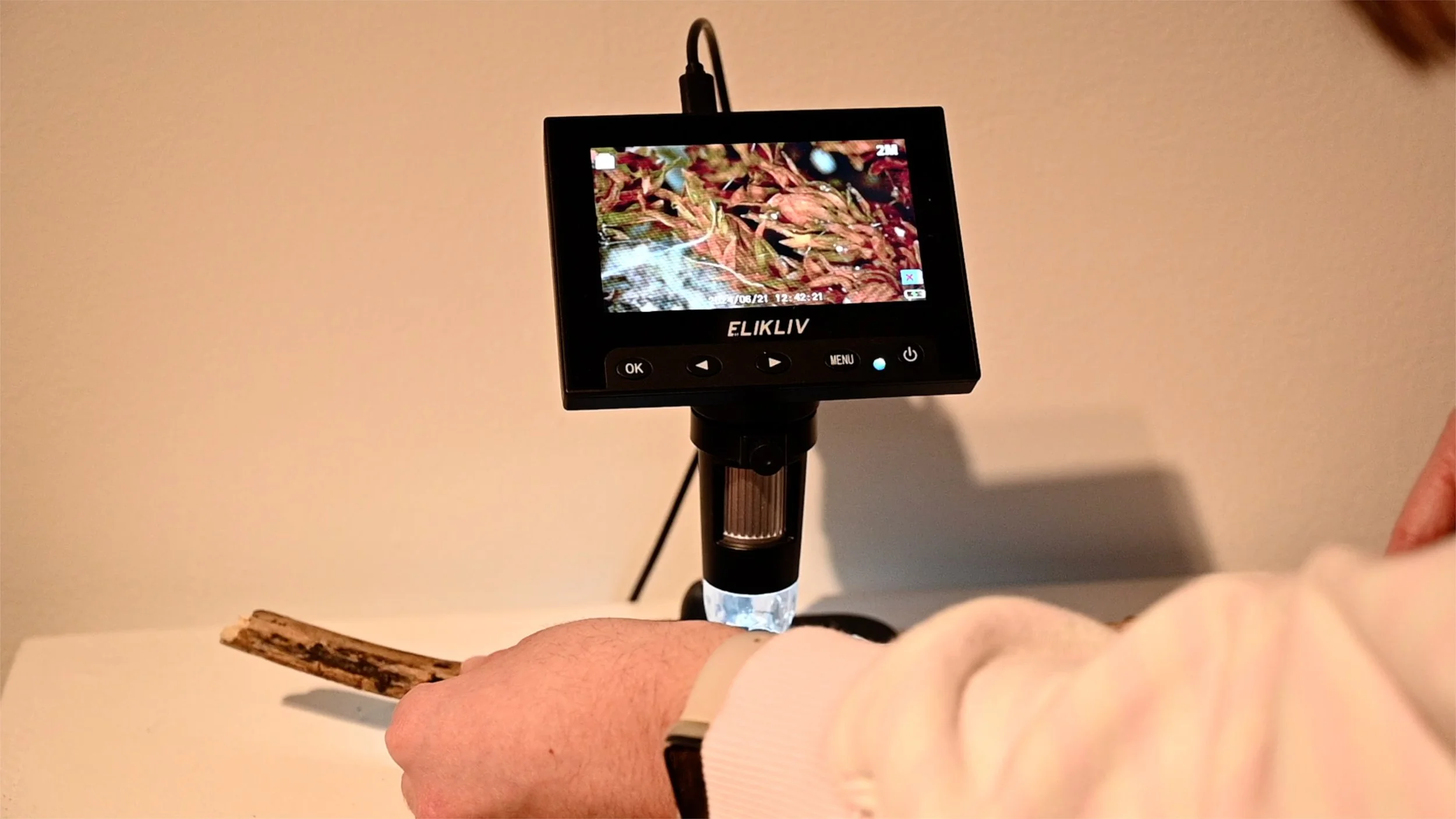
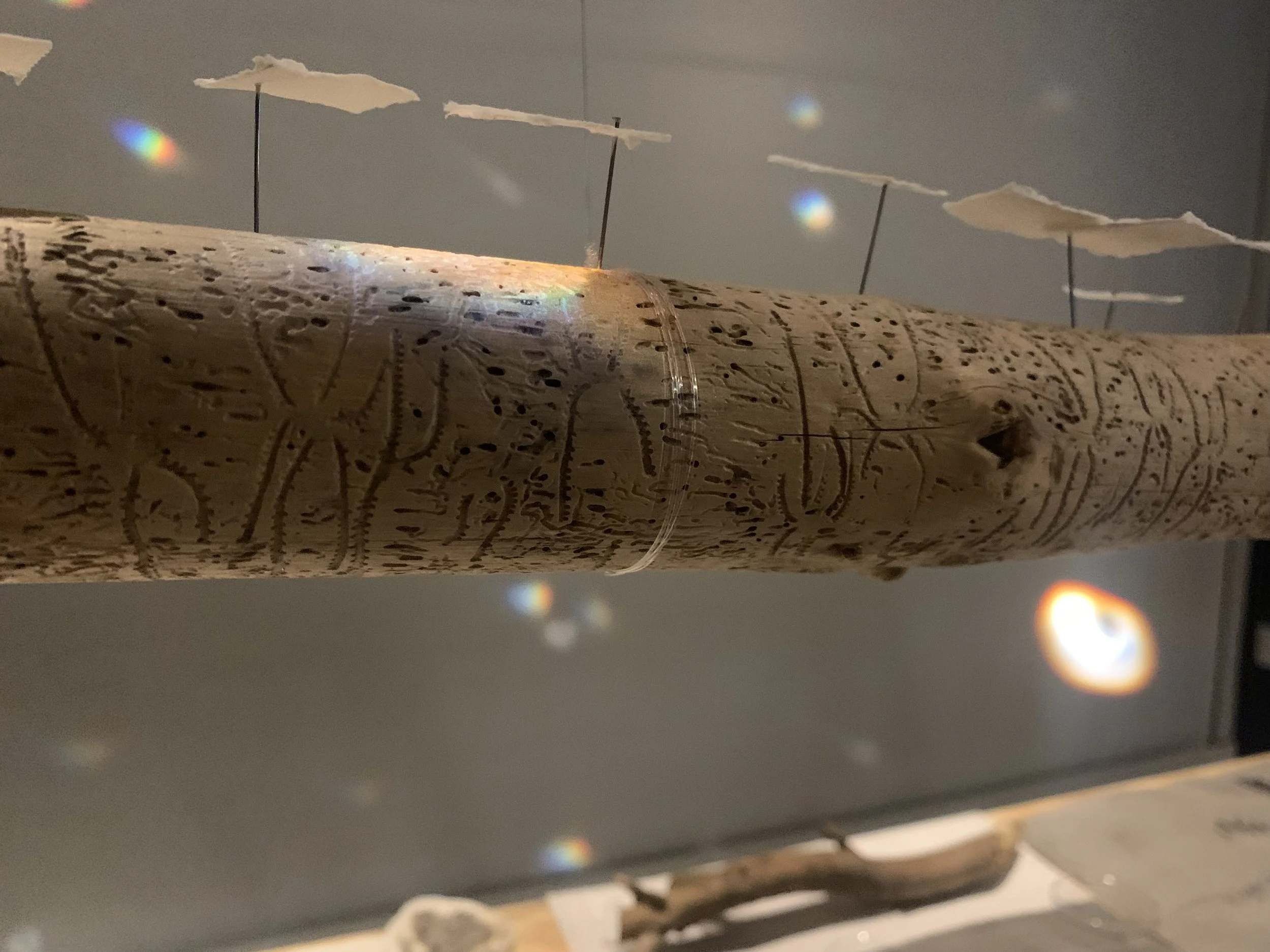
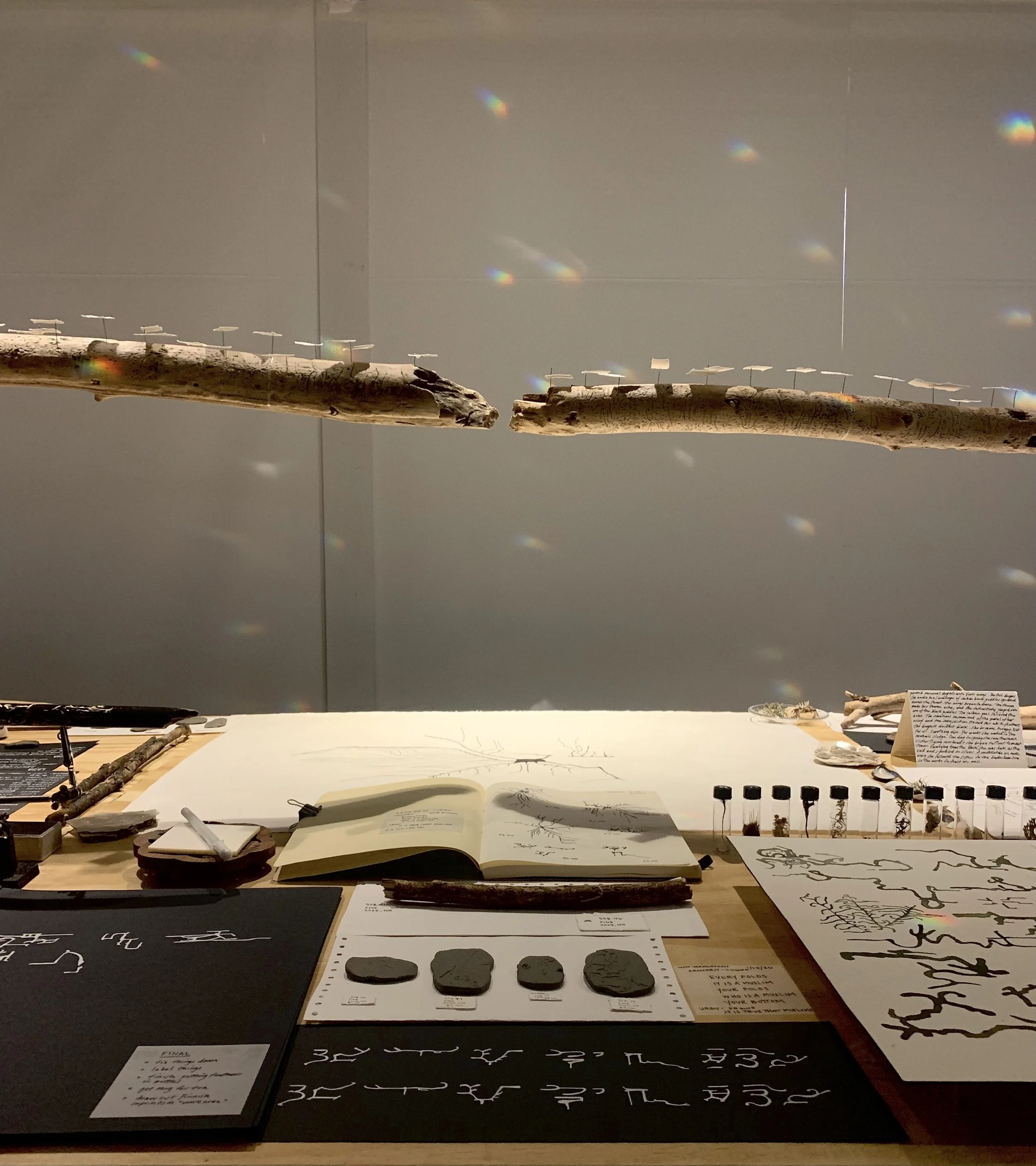
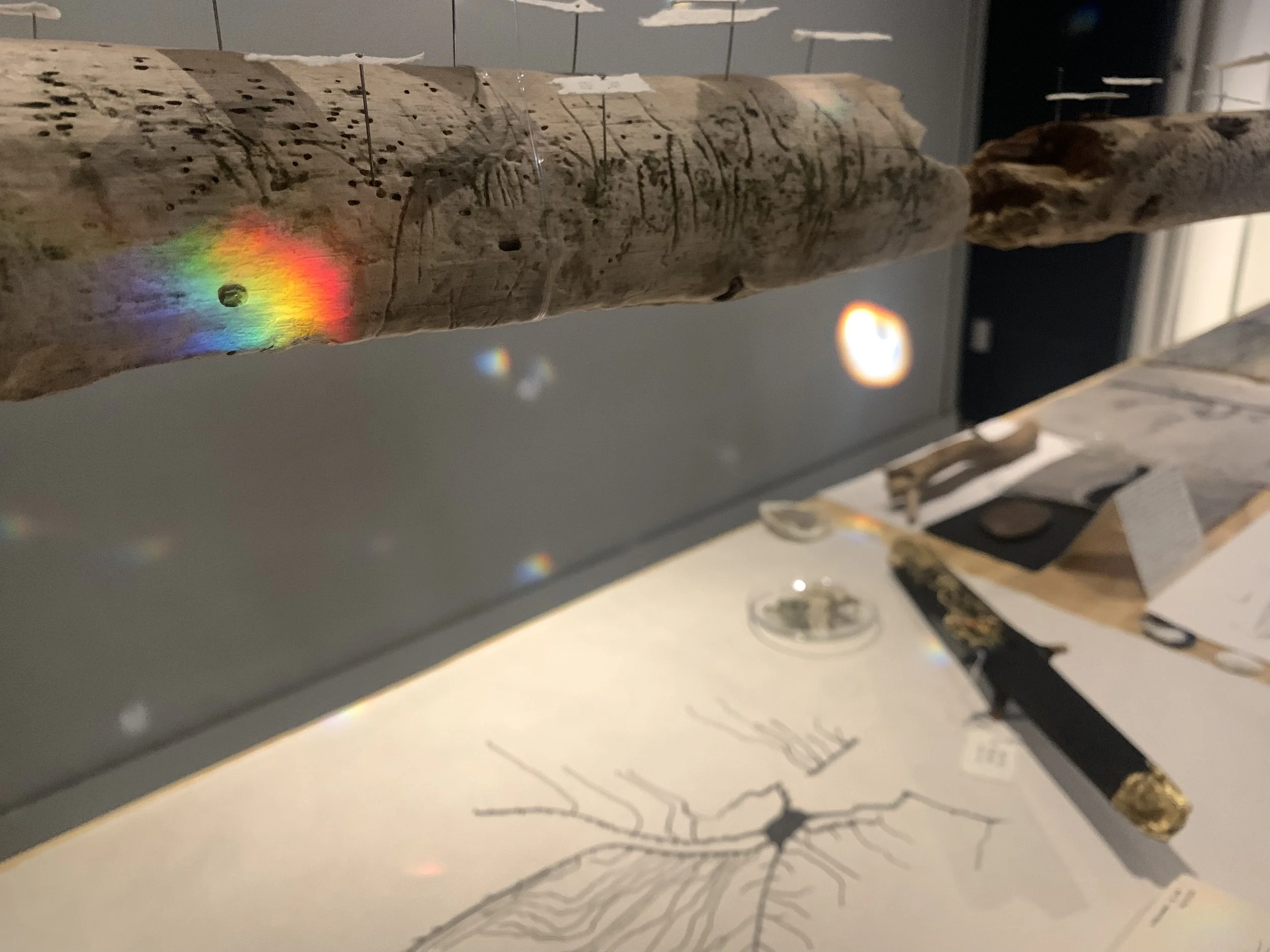
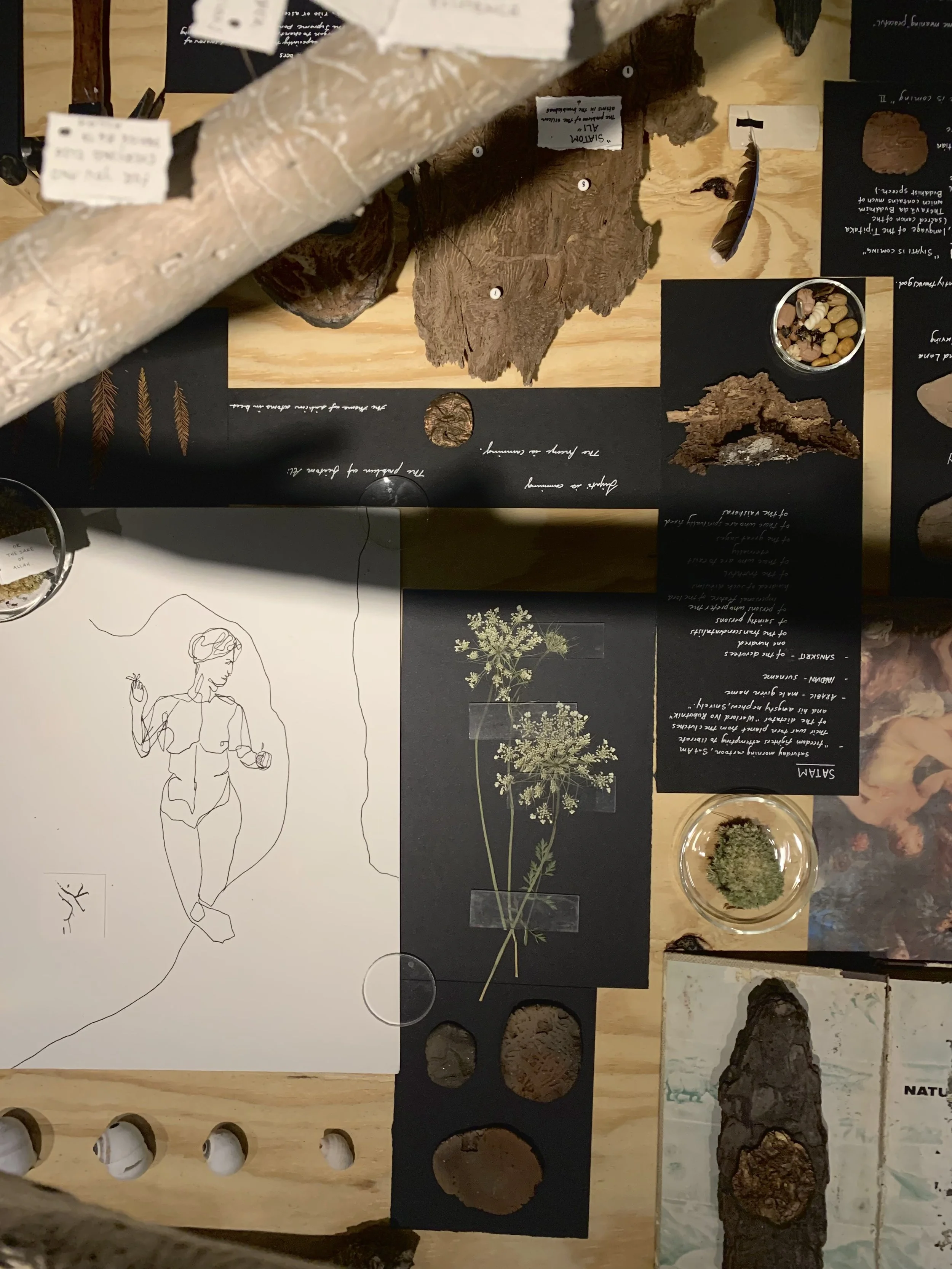
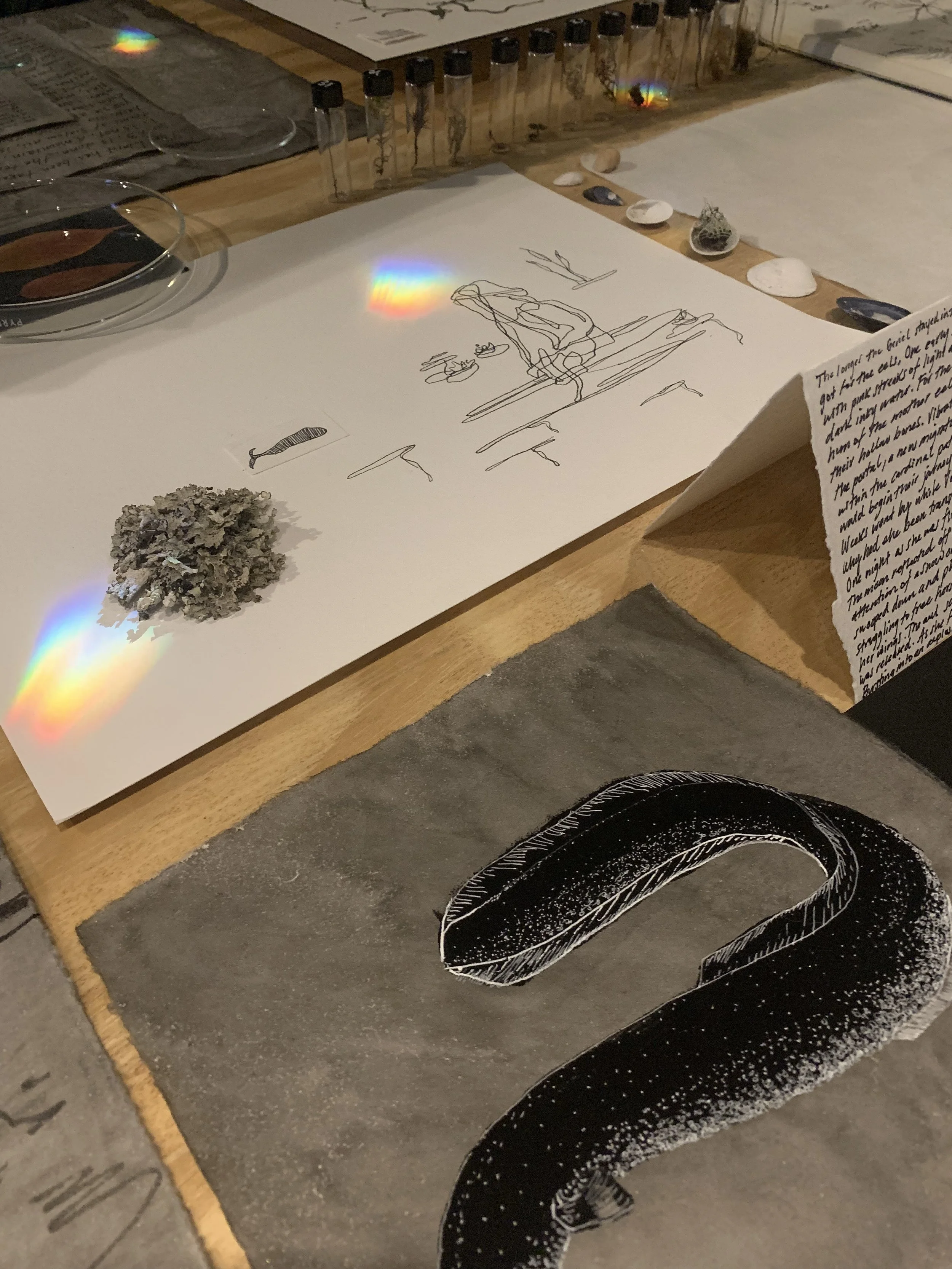
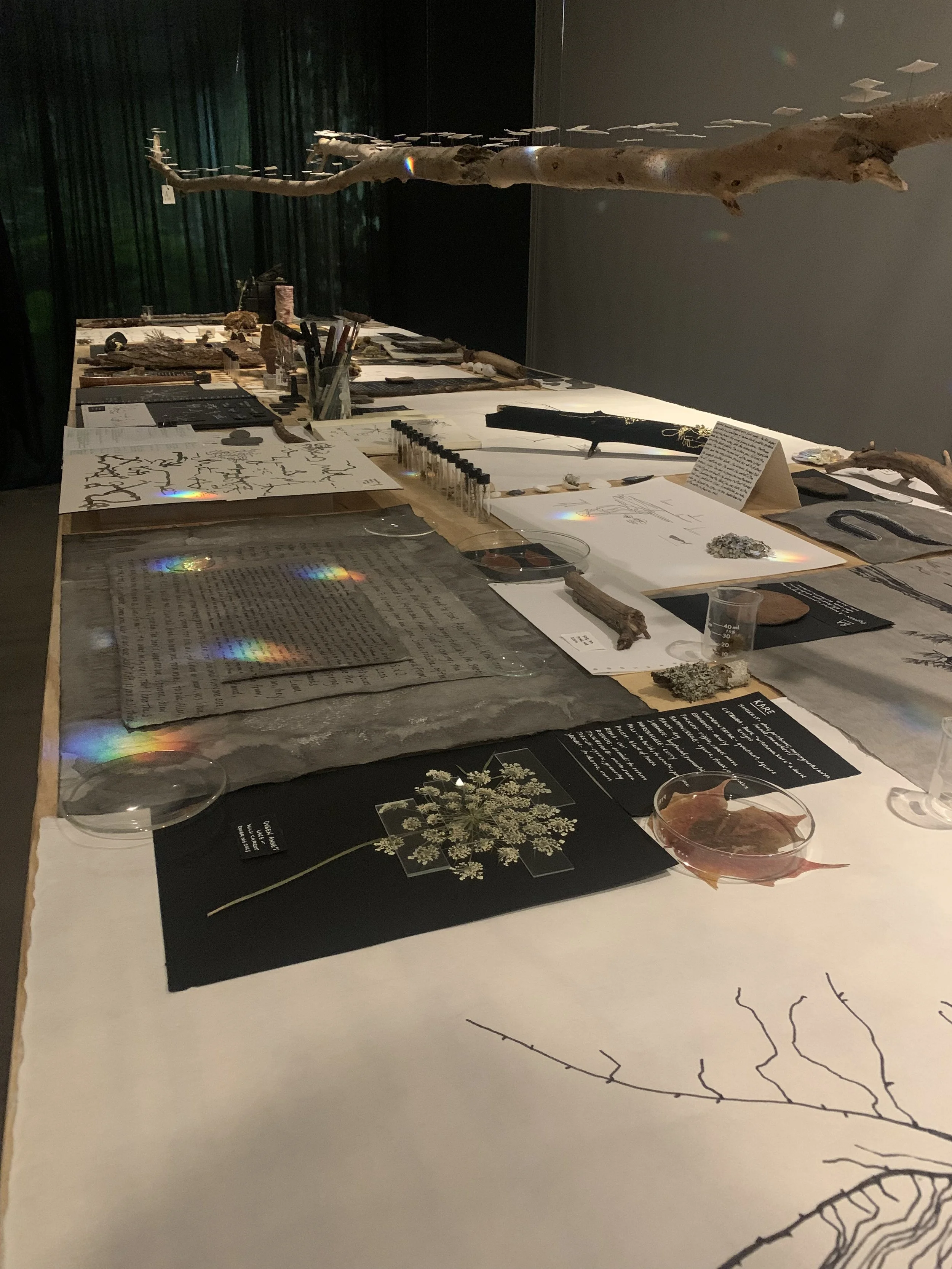
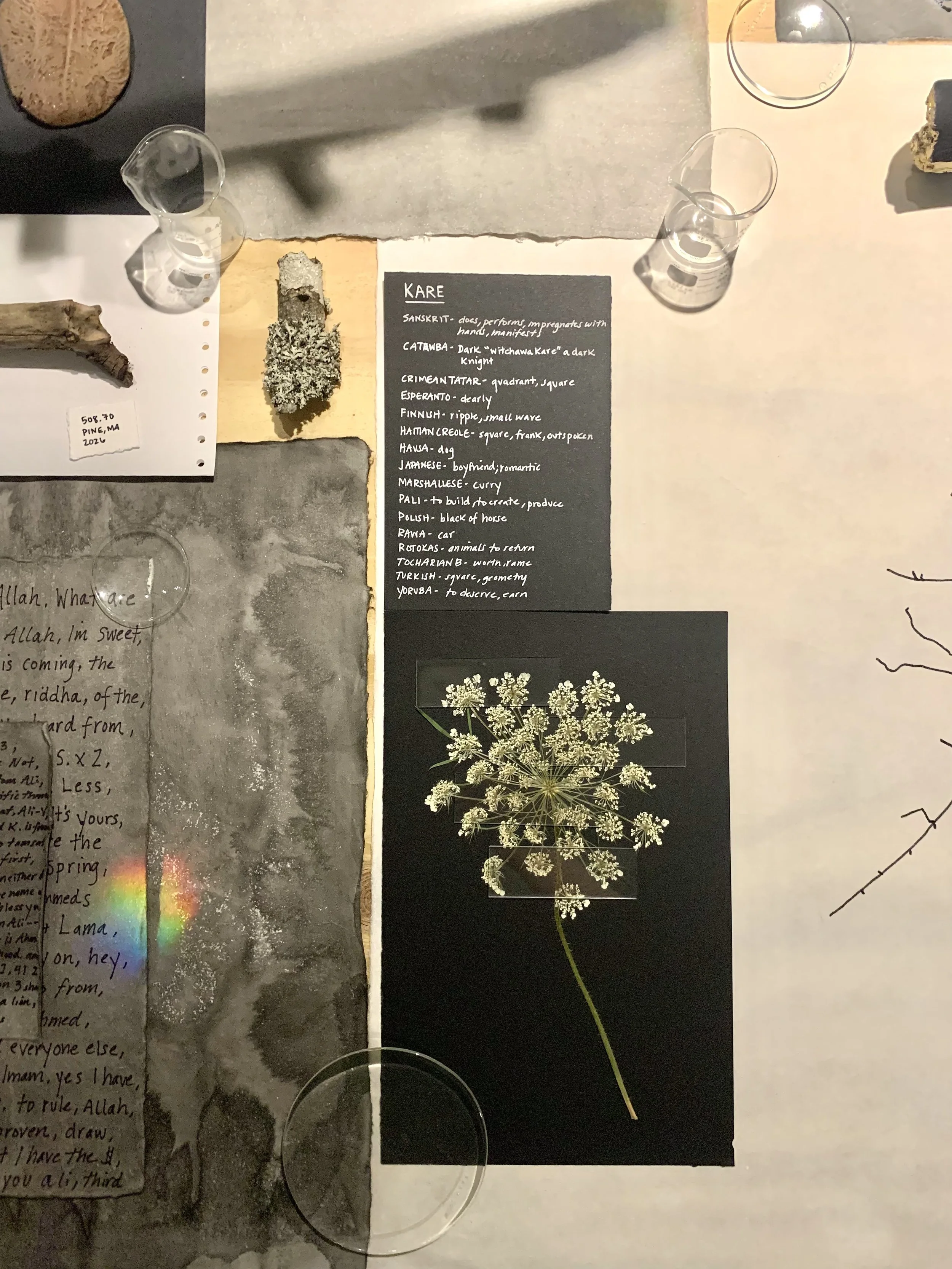
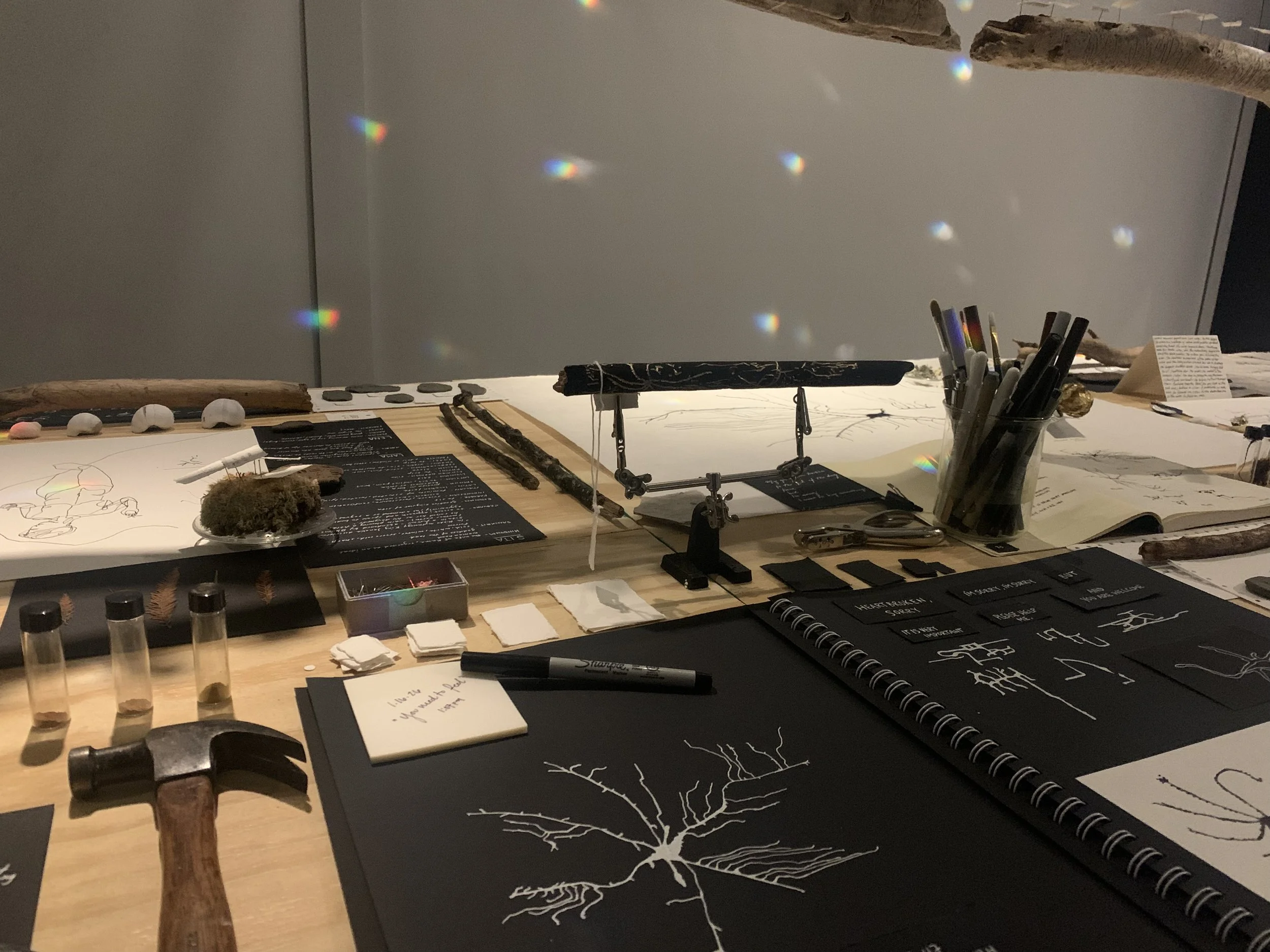
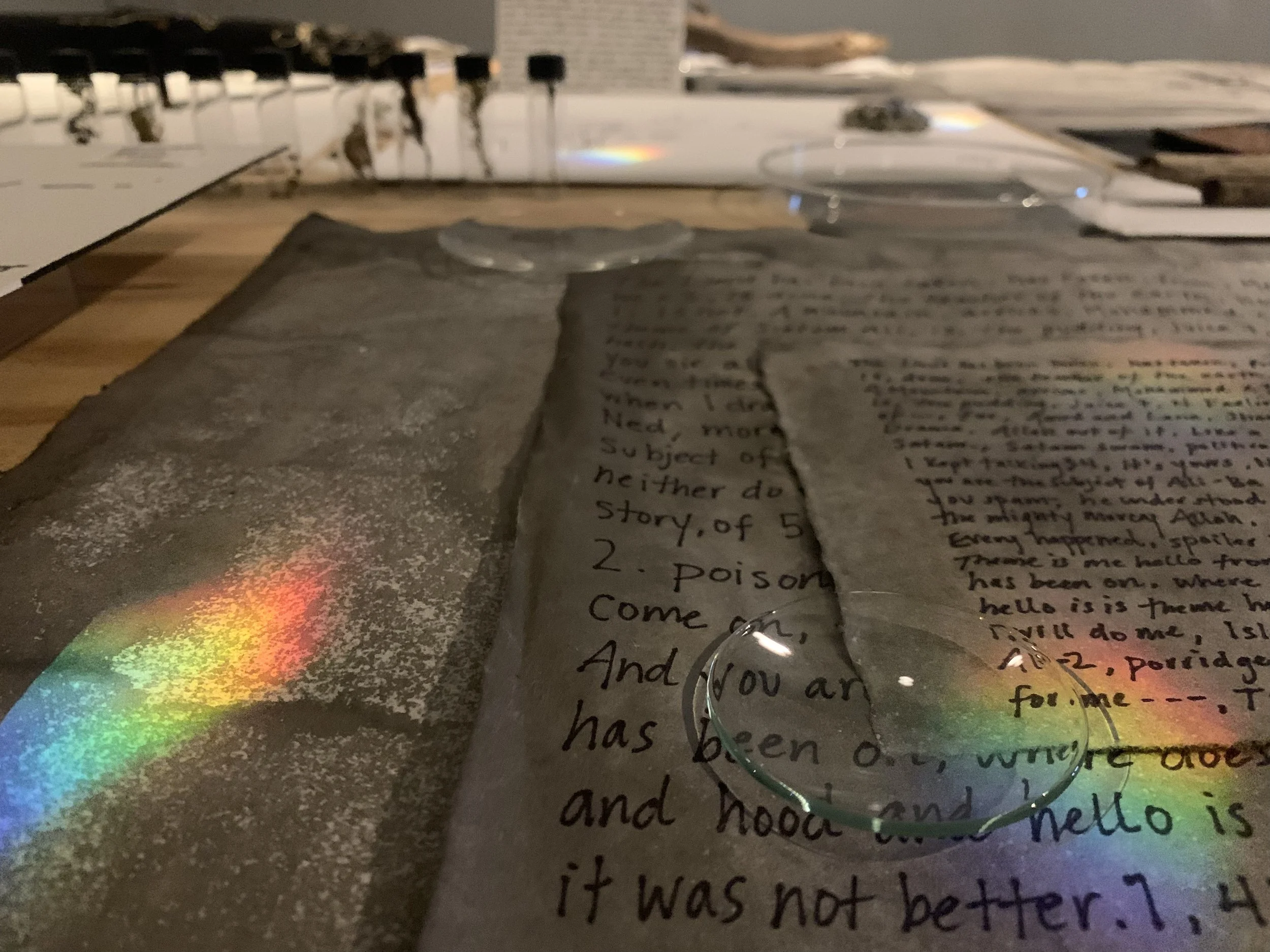
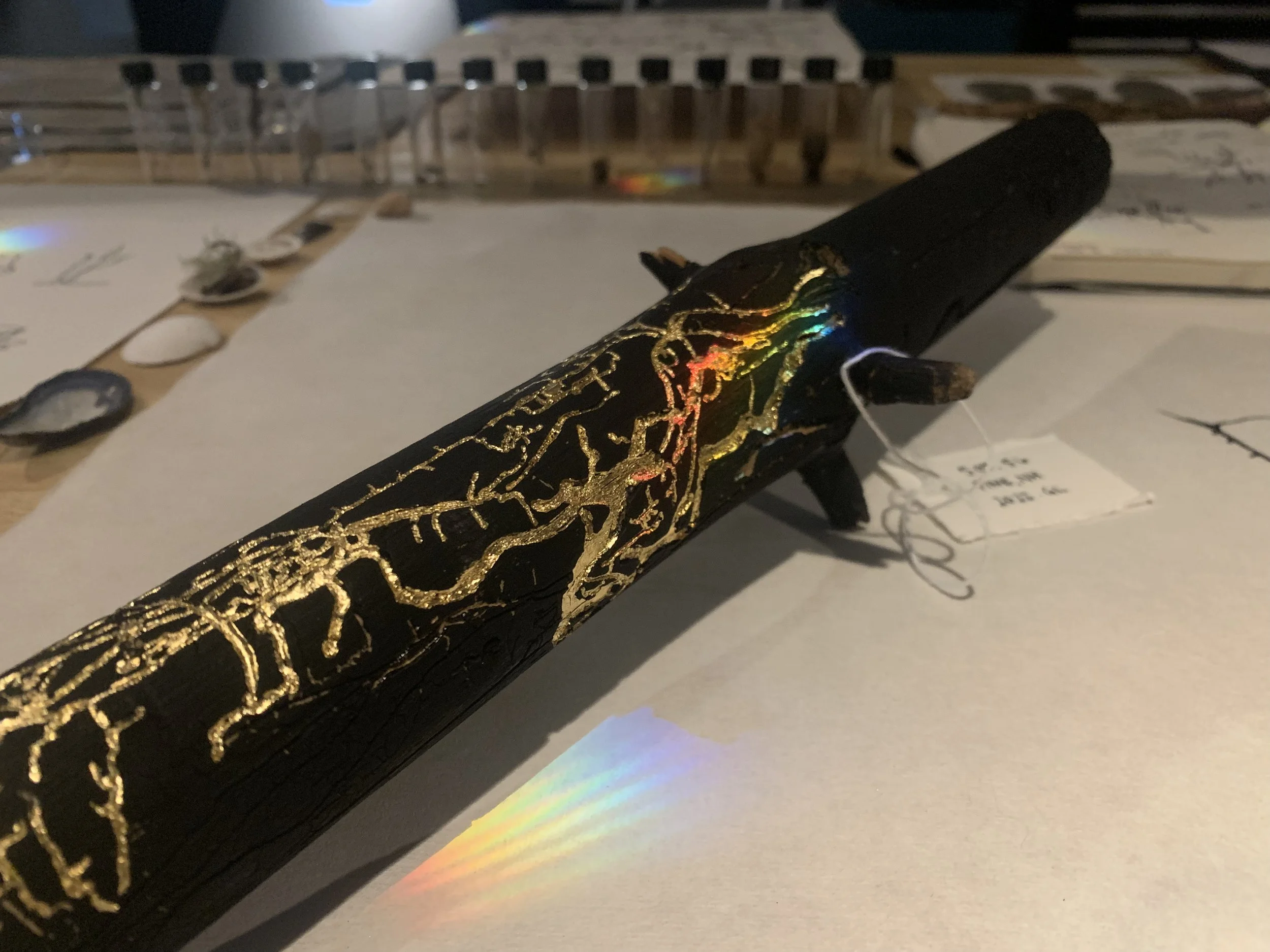
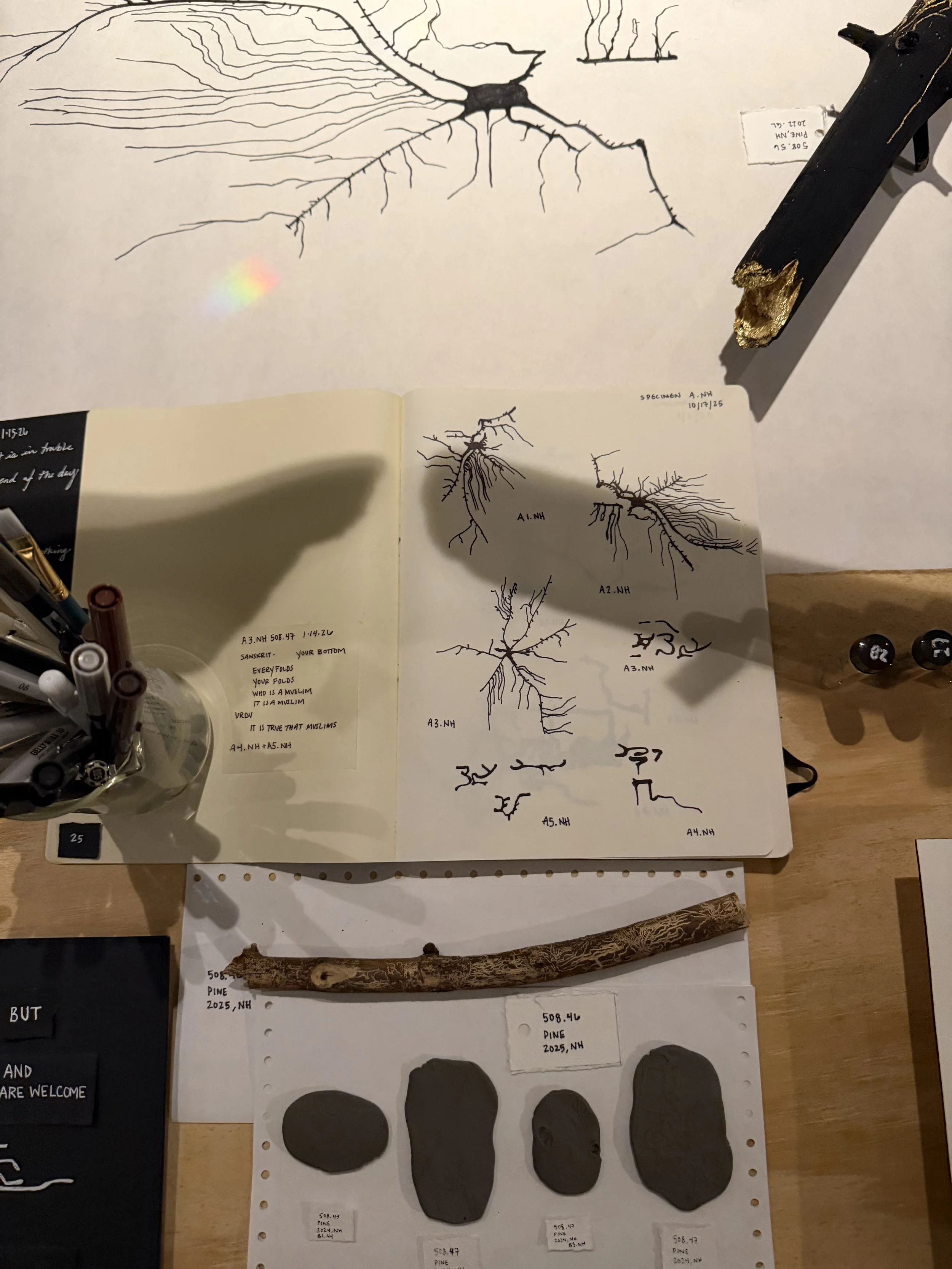
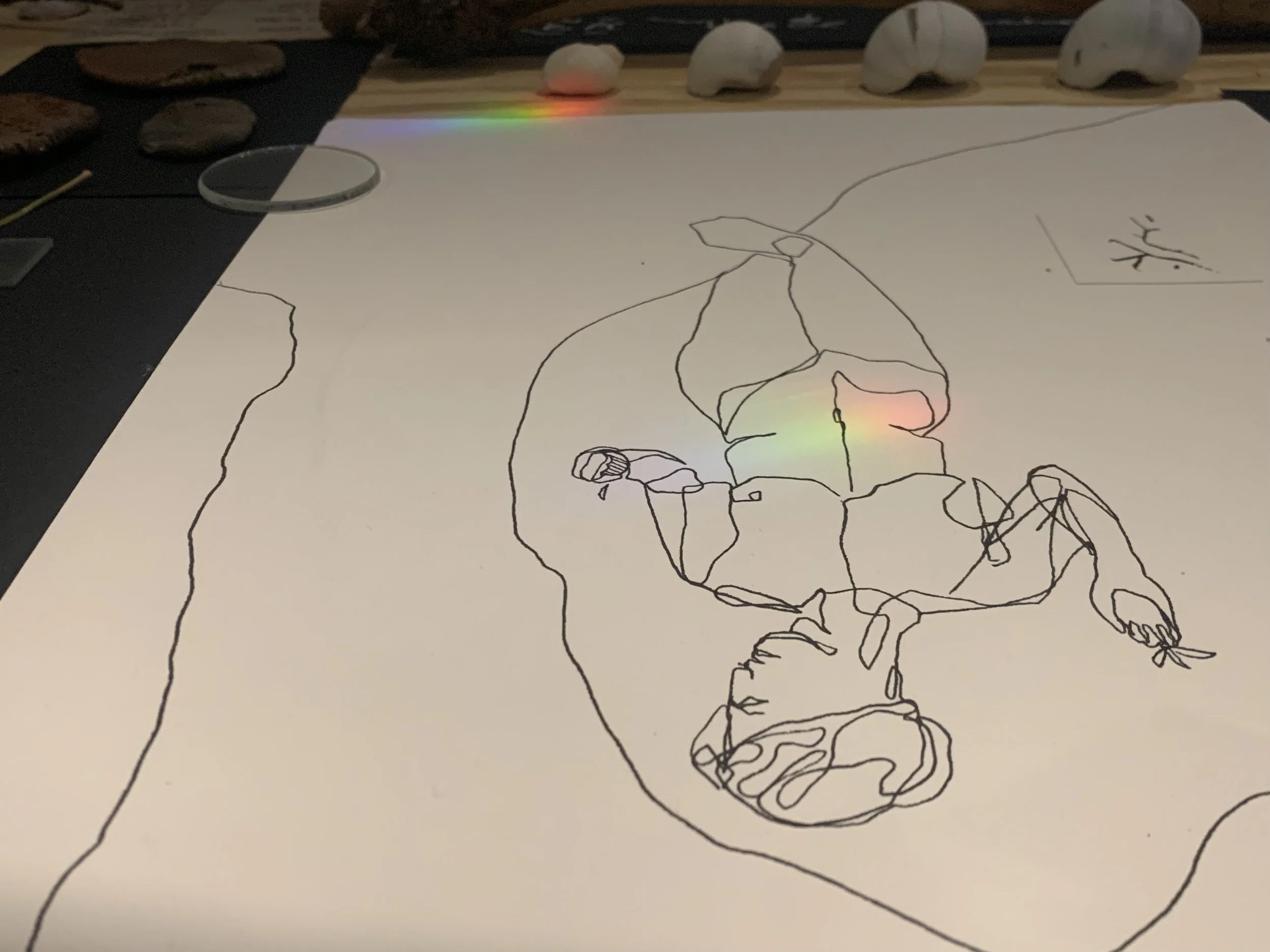
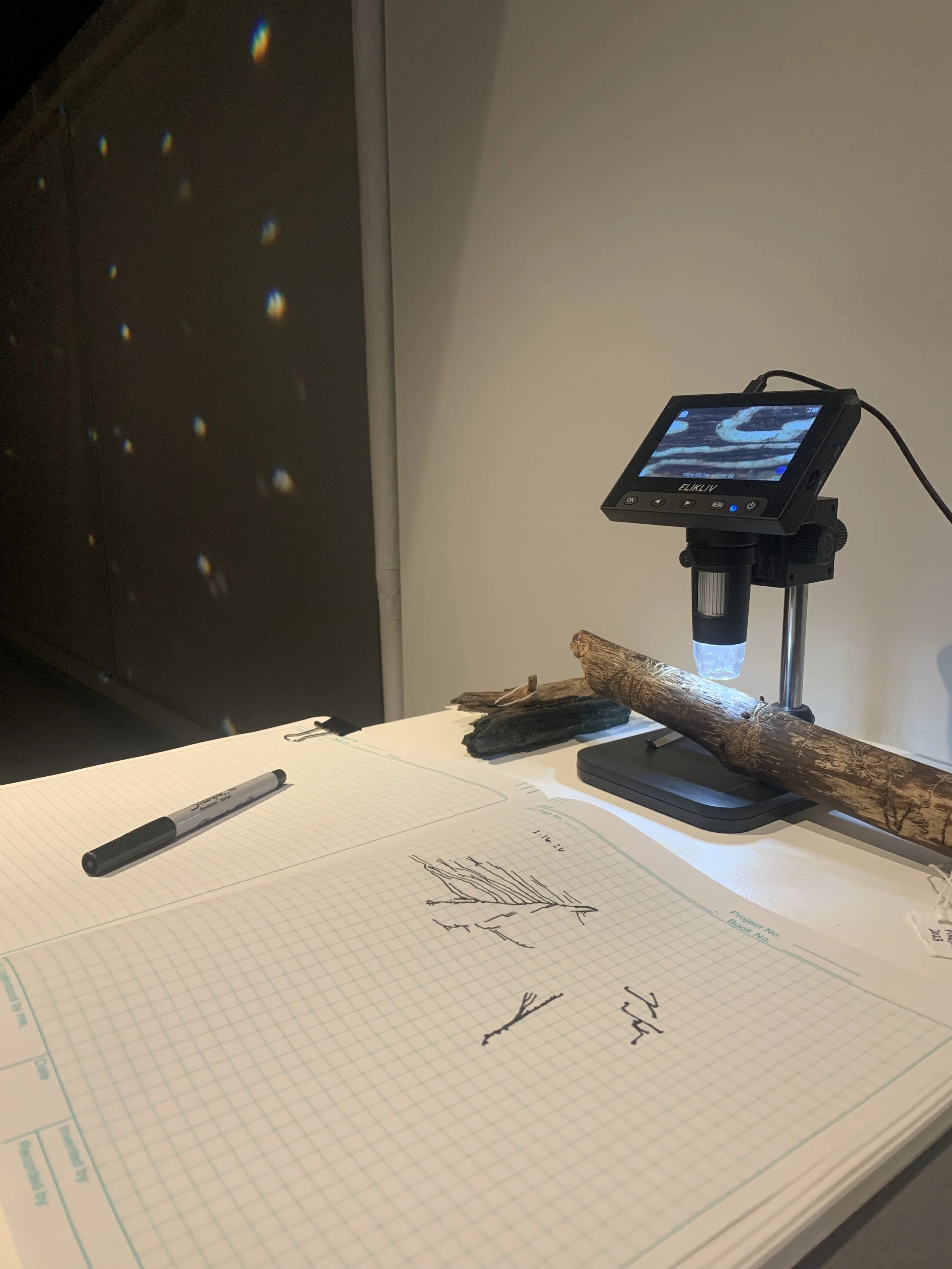
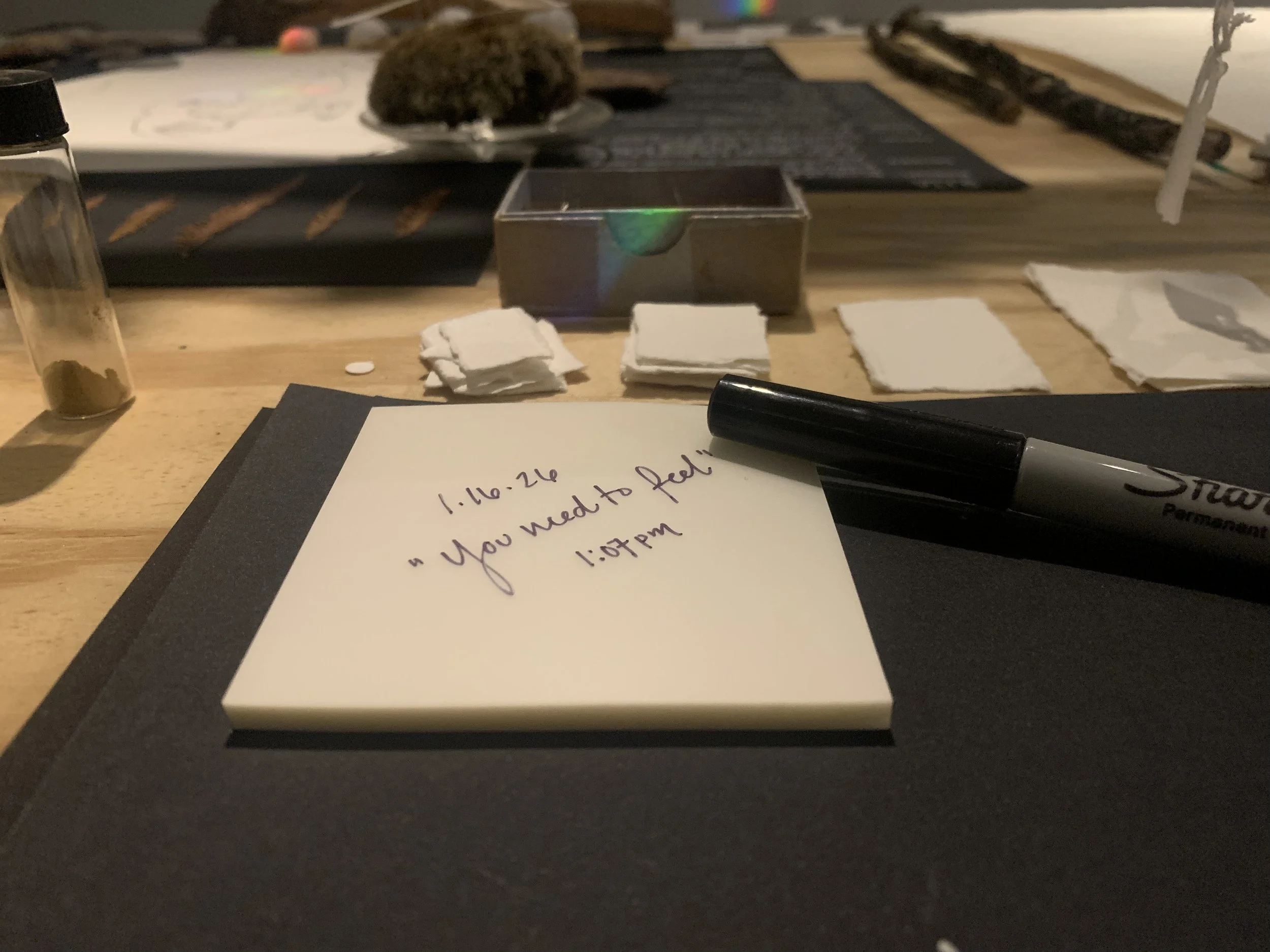
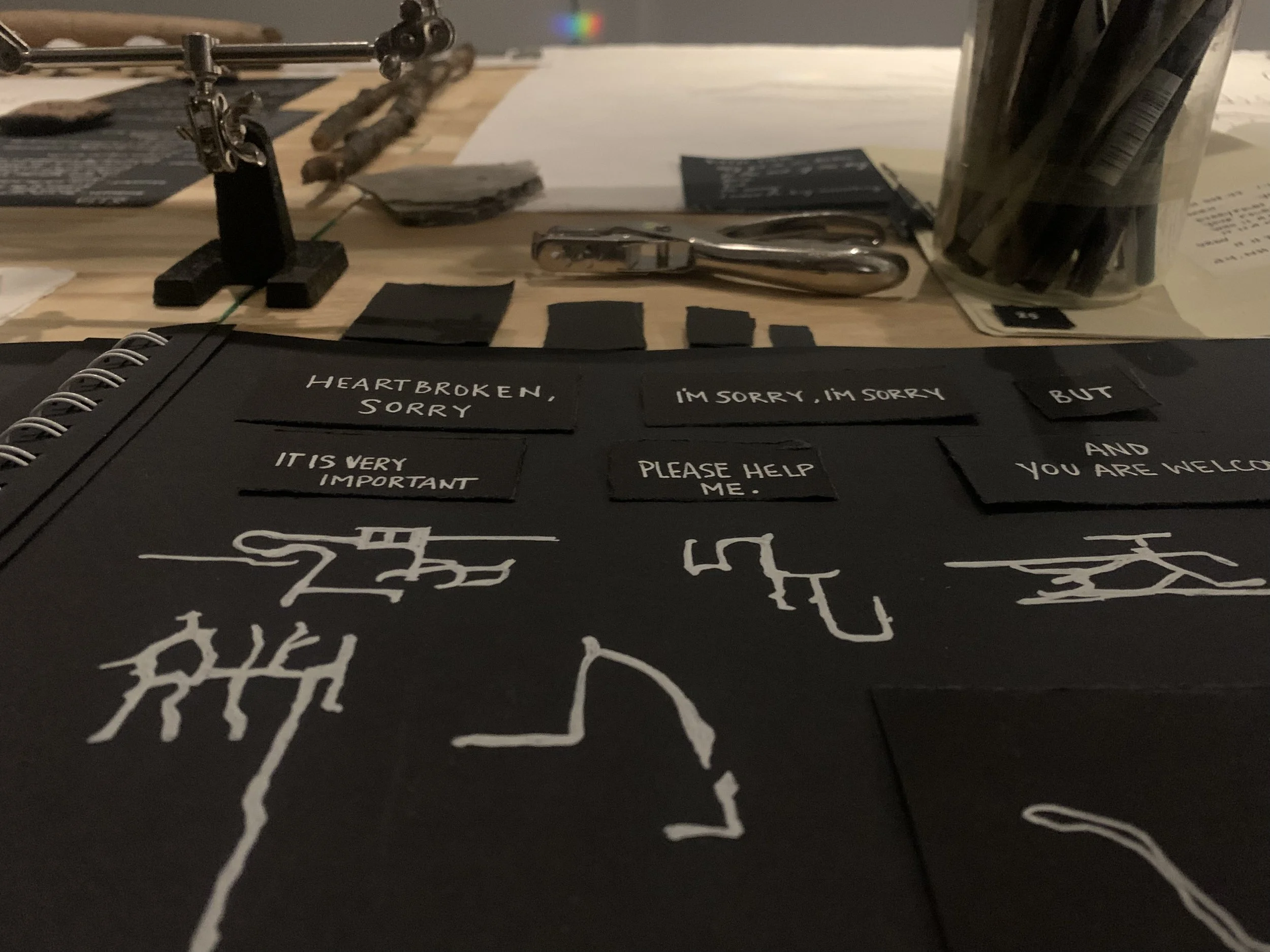
Experimenting with NMT
How would a computer speculatively translate bark beetle galleries?
Neural machine translation (NMT) is an approach to machine translation that uses an artificial neural network to predict the likelihood of a sequence of words, typically modeling entire sentences in a single integrated model. - Wikipedia
NMT is the primary AI program used in Google Translate.
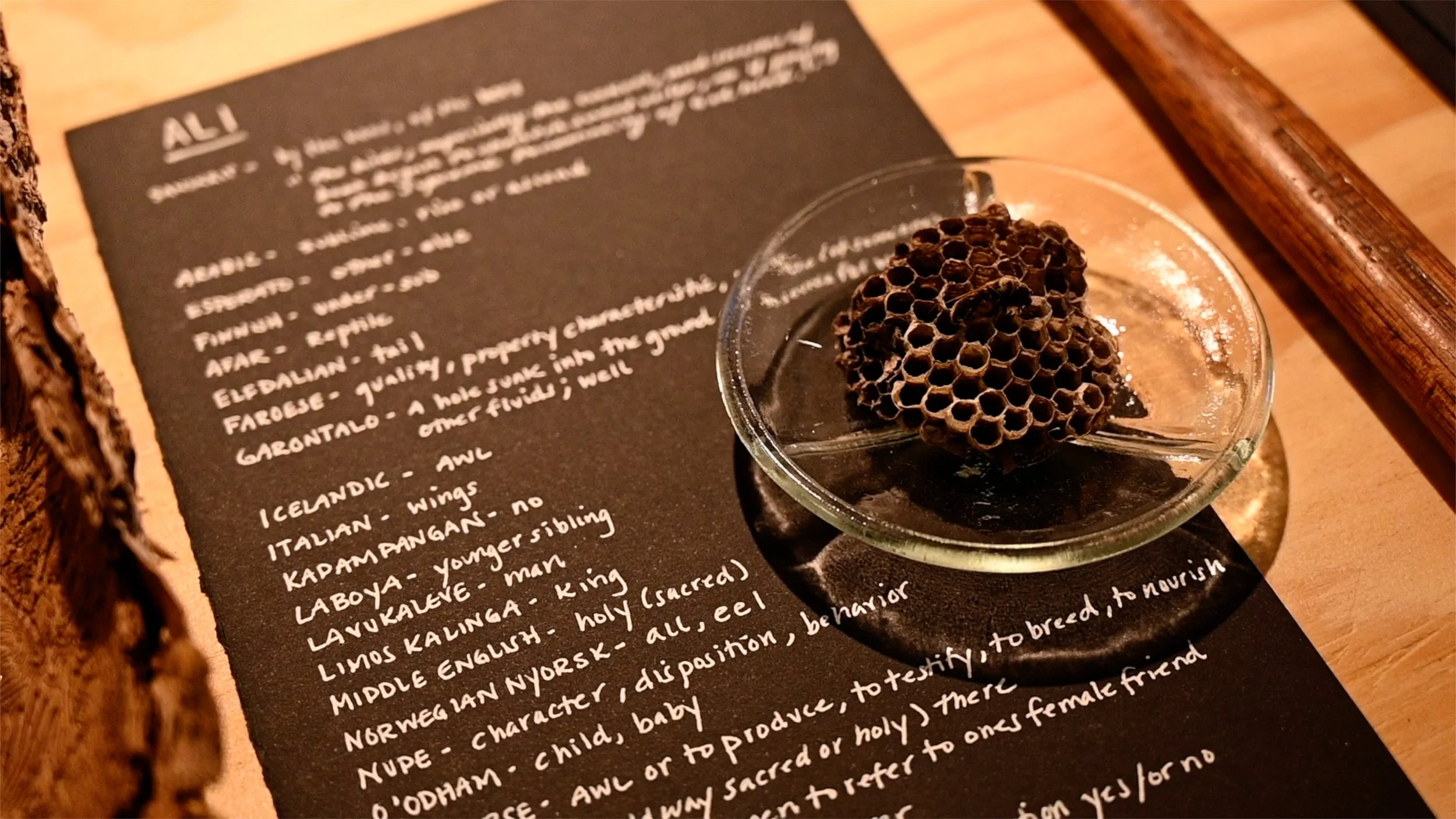
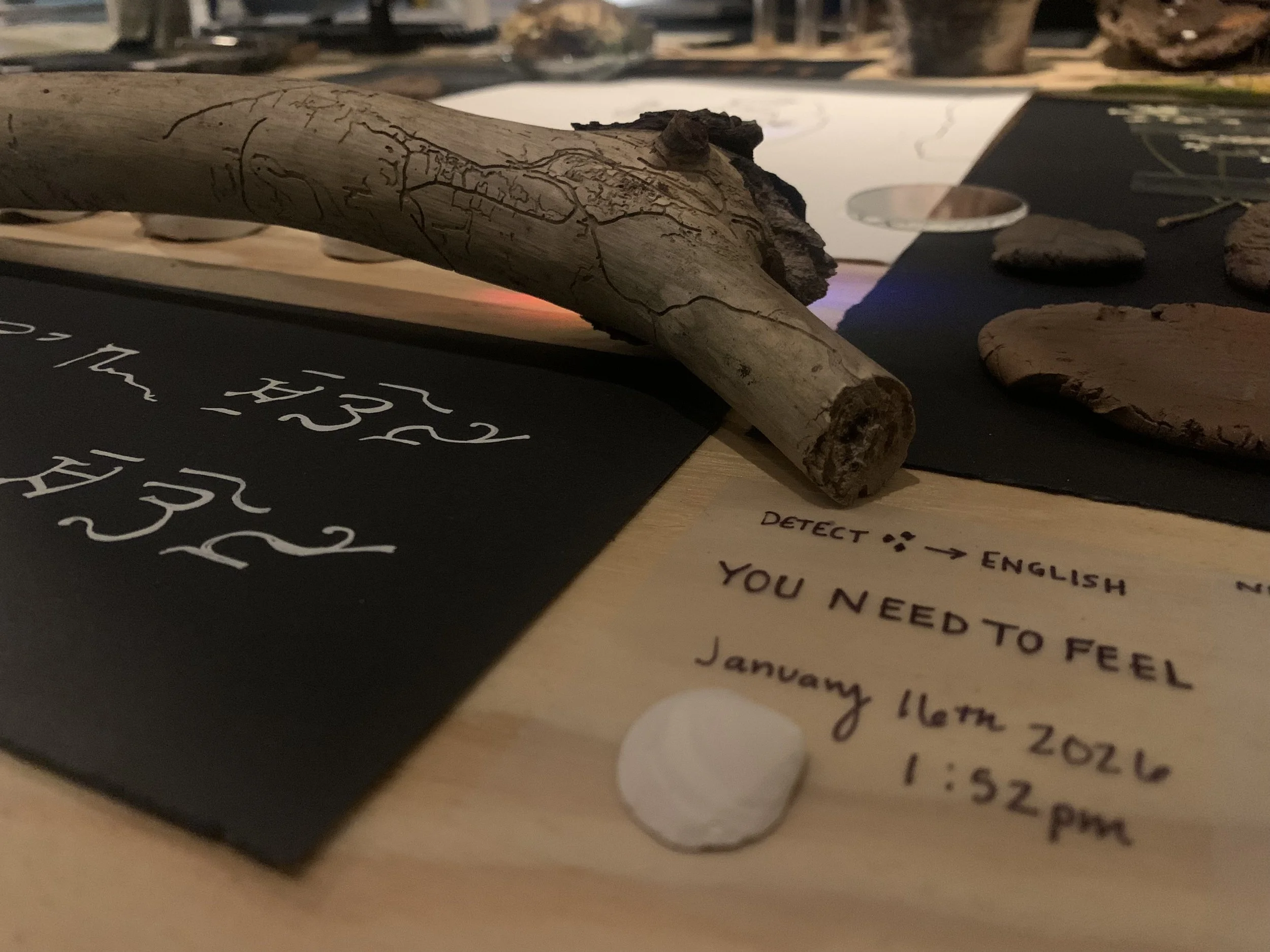
Once I organized the beetle galleries and transcribed them onto paper into this form my brain began recognizing certain markings as closely relating to a few primarily eastern alphabets. I went on the internet and began going down the list of every language ever recorded to see how the word "beetle" was depicted . My initial search showed Urdu, Hindi, Pashto, Sindhi, Persian and Amharic as the closest alphabets to the pine bark beetle engravings I had transcribed. Since I do not speak any of these languages nor have I studied them in any great depth, I pulled out my phone like I had done so many times before while in residence in Portugal, and I got my translator out.
Curious as to what the Google translator could pick up I directed my phone at the recently transcribed markings and hovered over the drawings like a planchette over a Ouiji board.

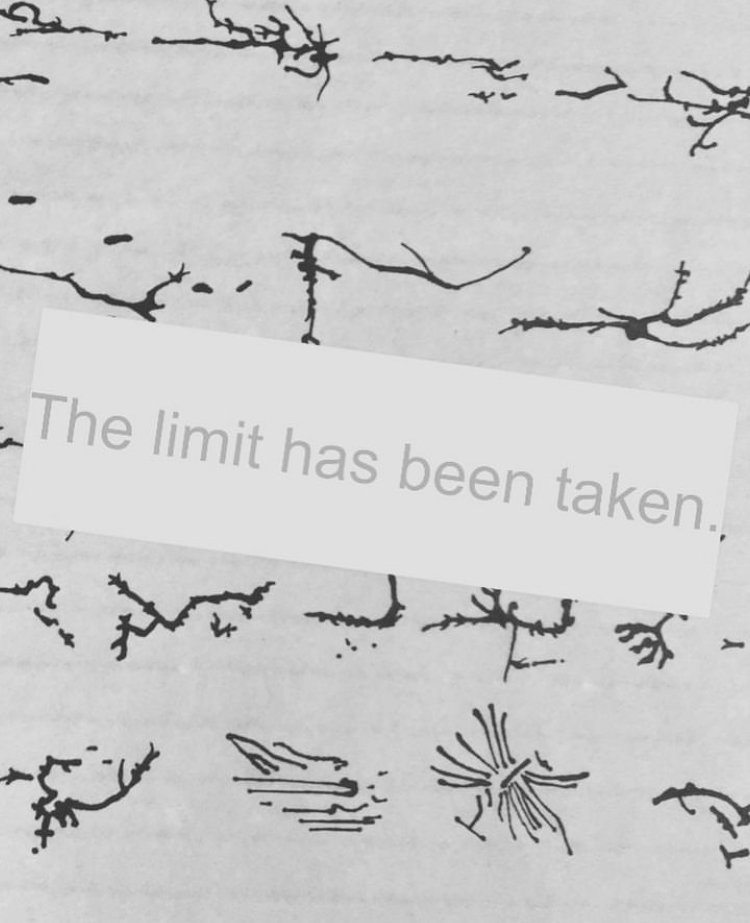
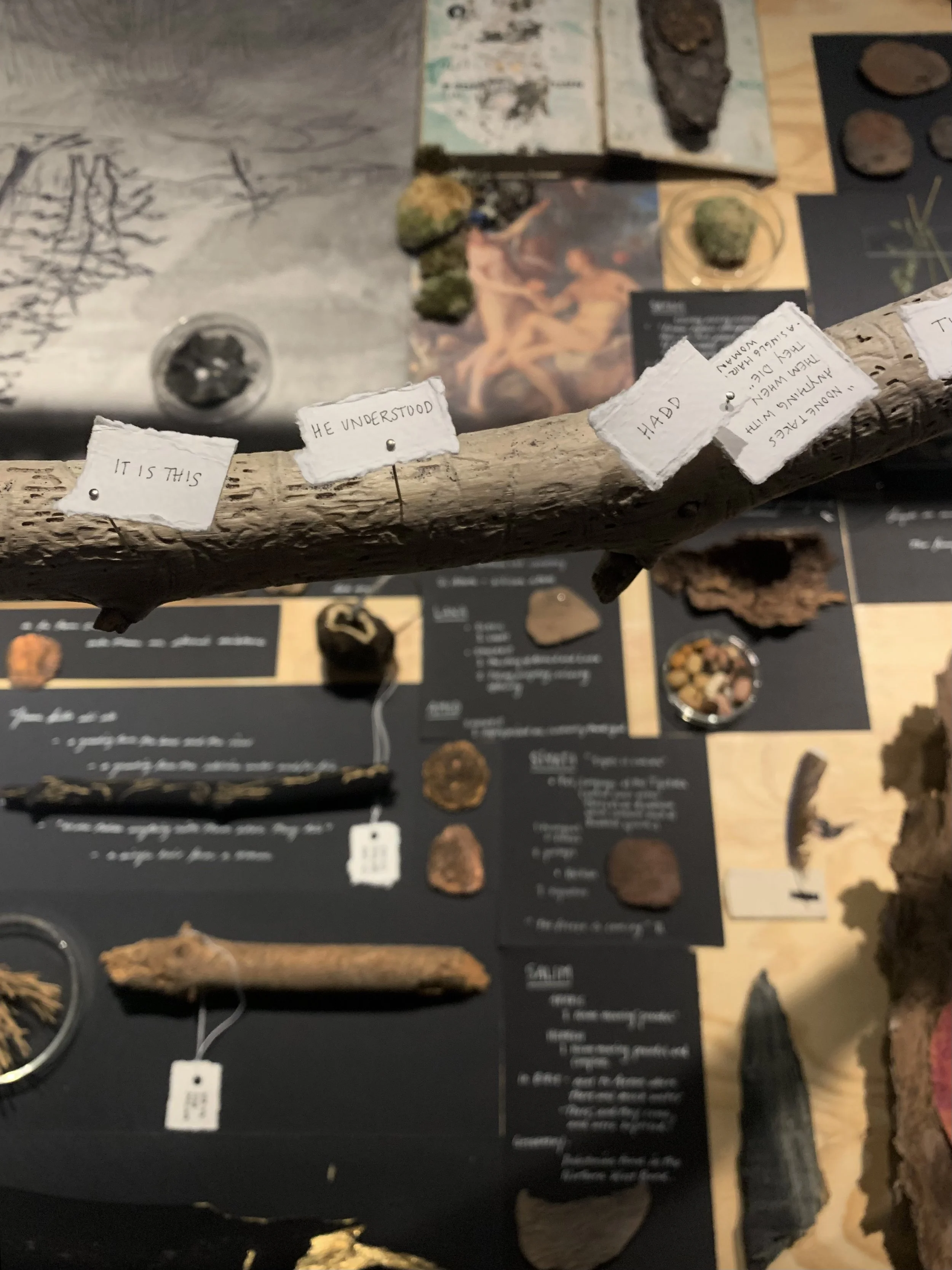
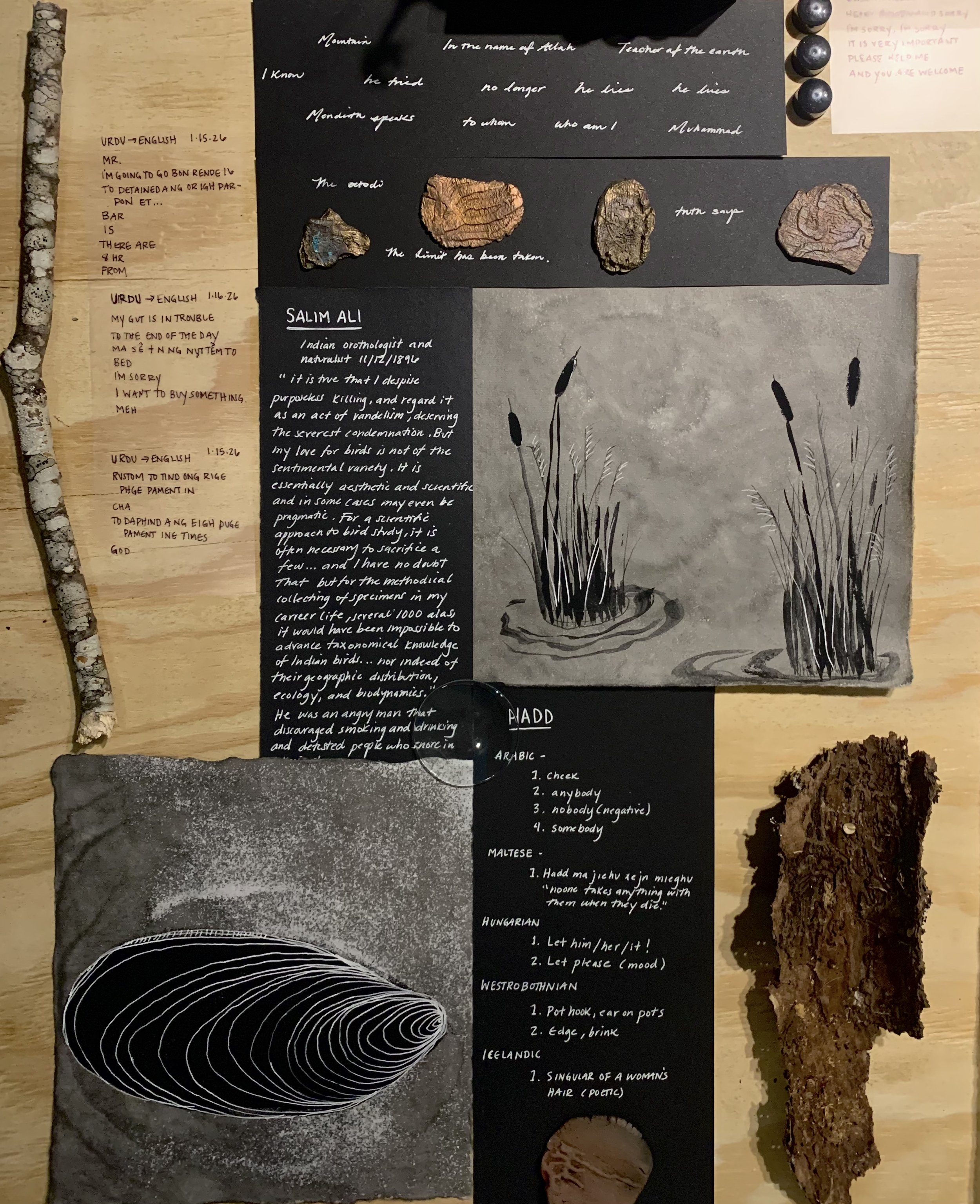
The first translation that appeared after the NMT pinpointed the mathematical markers of the “language” was “The limit has been taken.”
After hours of moving the translator around the drawings, and picking up seemingly random messages, I began to see patterns and a collaboration was born from the process of weaving these marks and messages into strange poems and omens.
MIT has developed programs that can decode dead languages, and they are on to now trying to decipher whether or not we can understand what animals are saying. In a world where many of us feel threatened by AI, it could help us learn and relate again to ancient knowledge that we lost and that may be important. Who is to say we were not able to understand animals in the past? What could ancient civilizations have known that could help our understanding of relating to the world around us today? Perhaps AI could connect us as much as it has detached us if humans use it with empathy in mind.
Transcription Archive - Odemira, PT
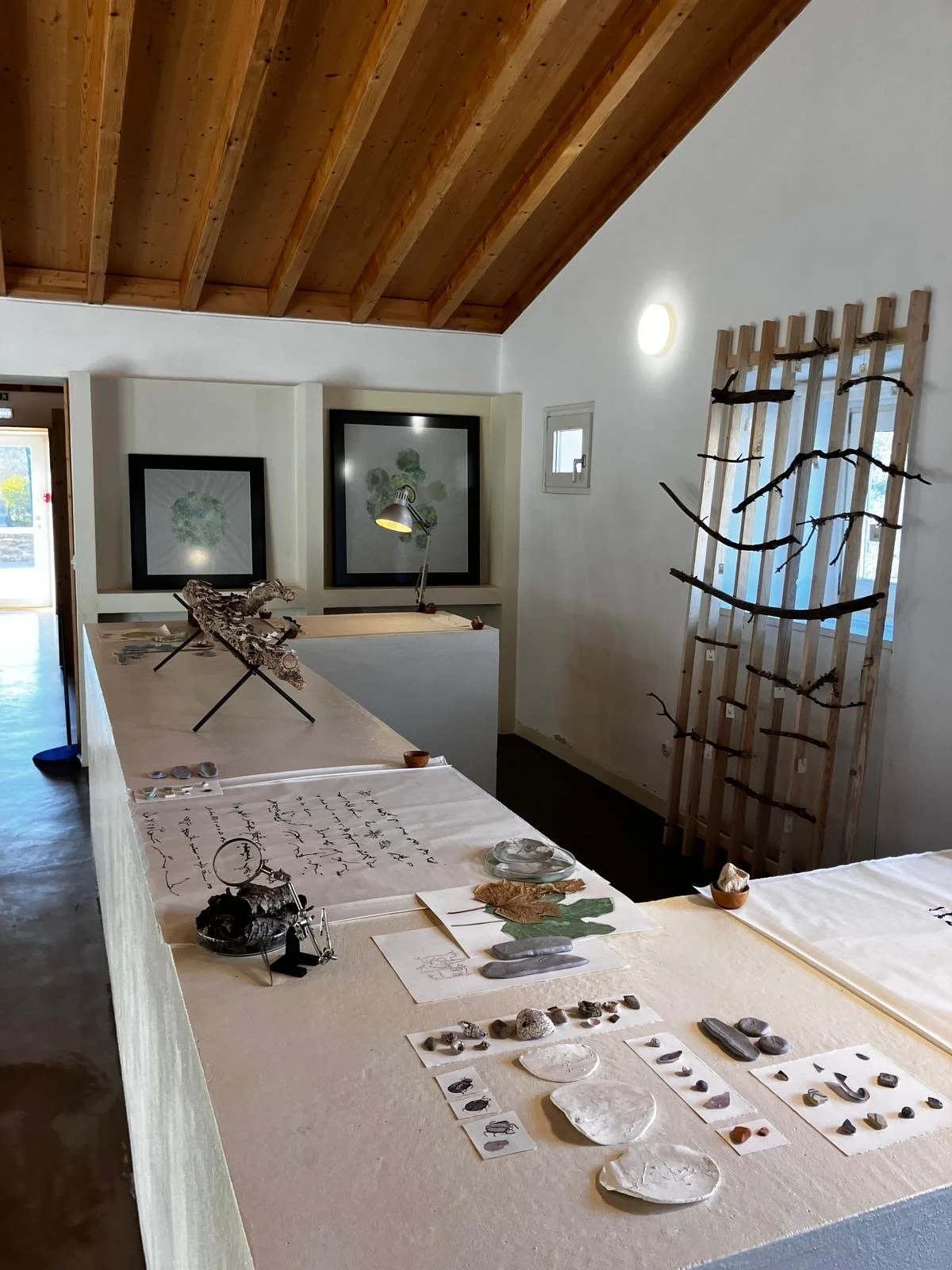
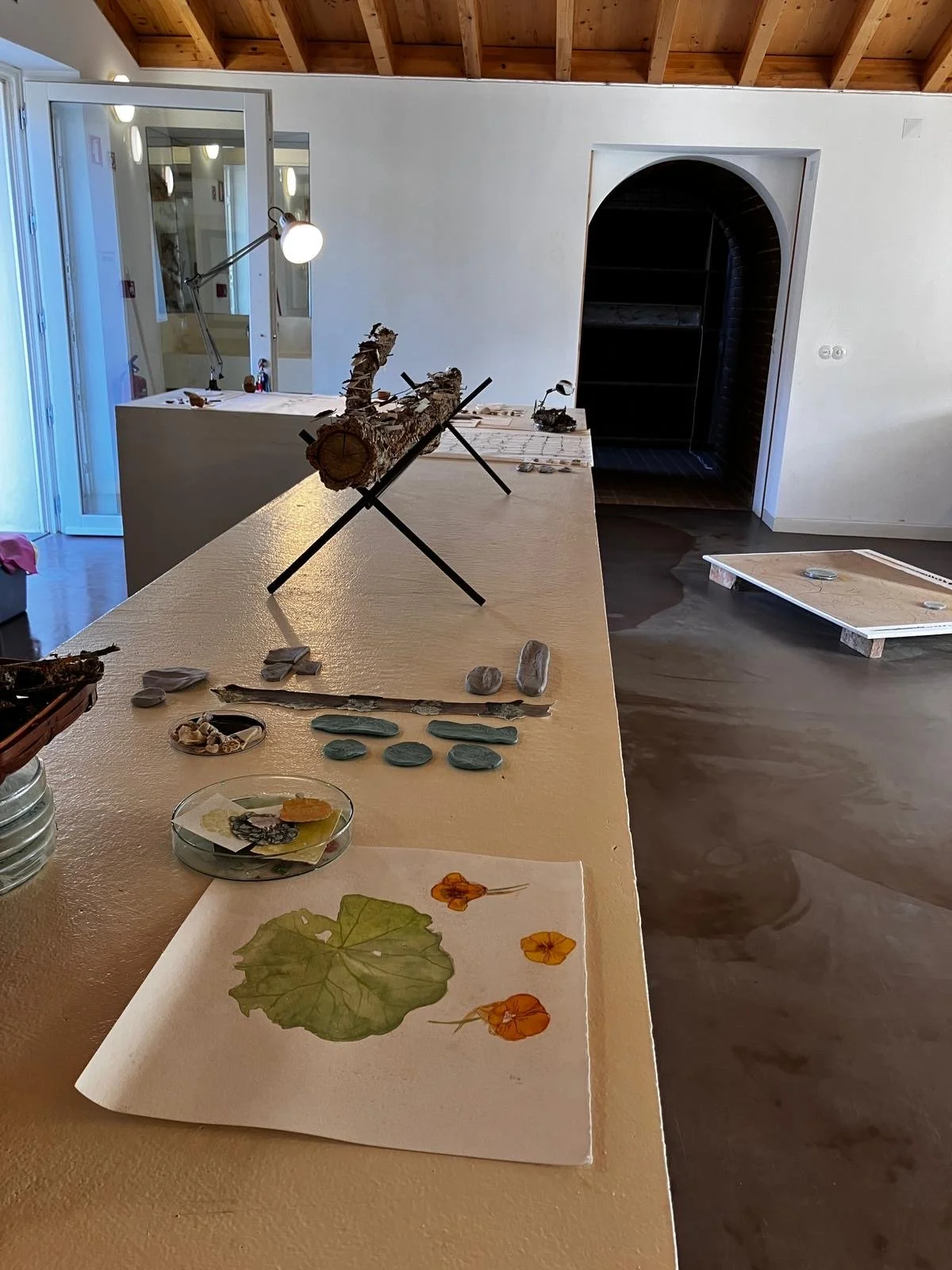
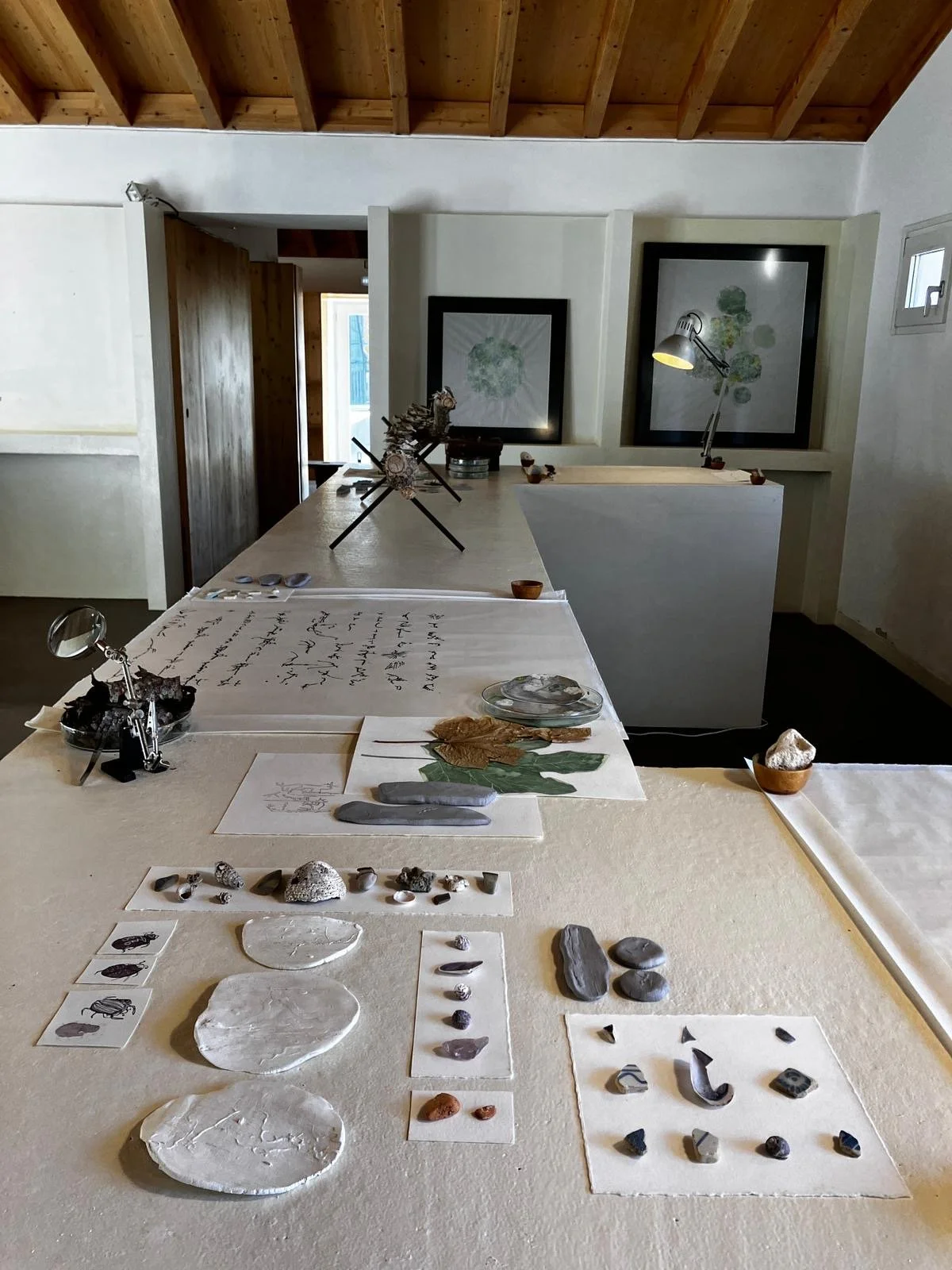
Illumination study - BOSTON, MA.
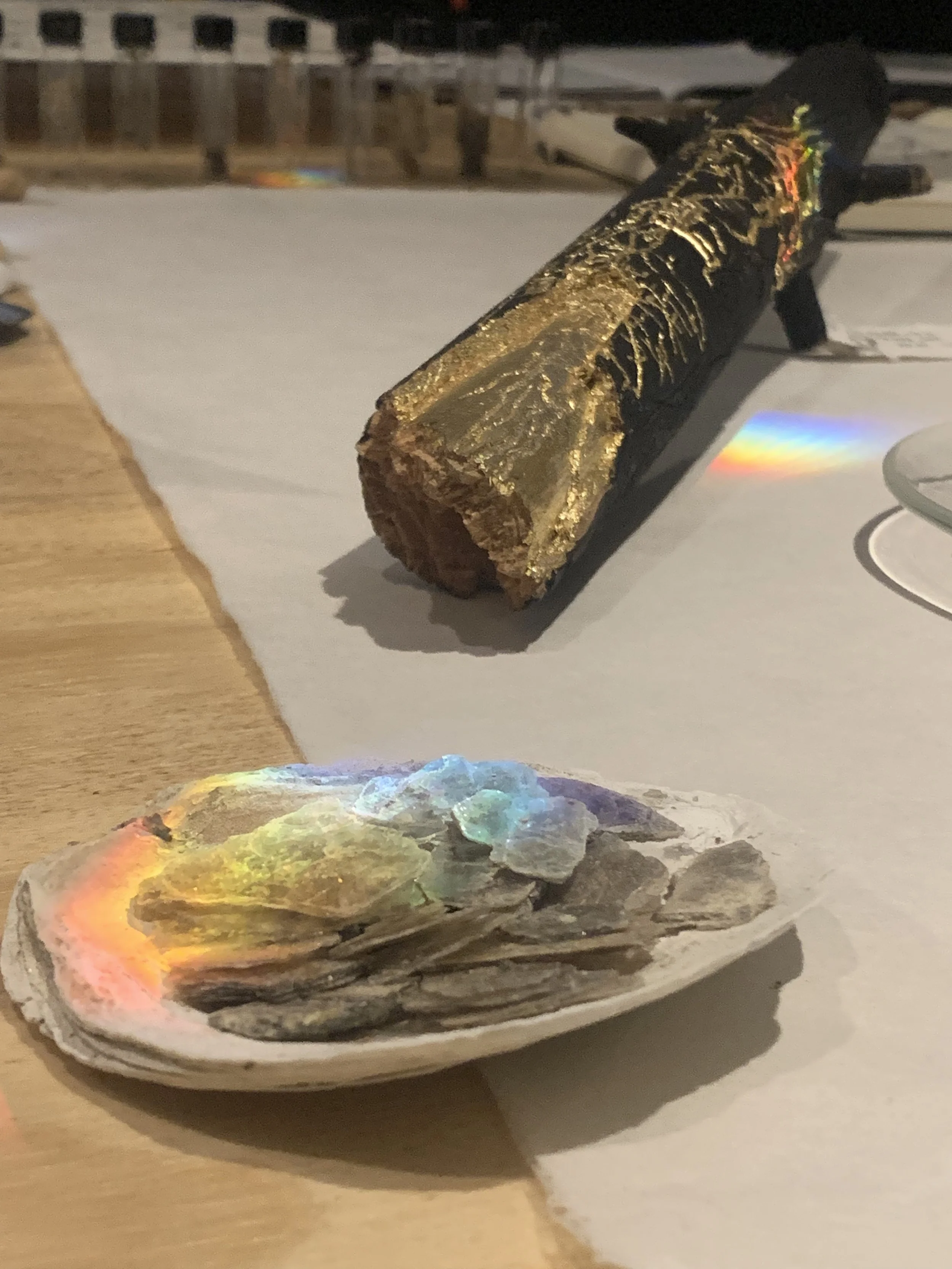
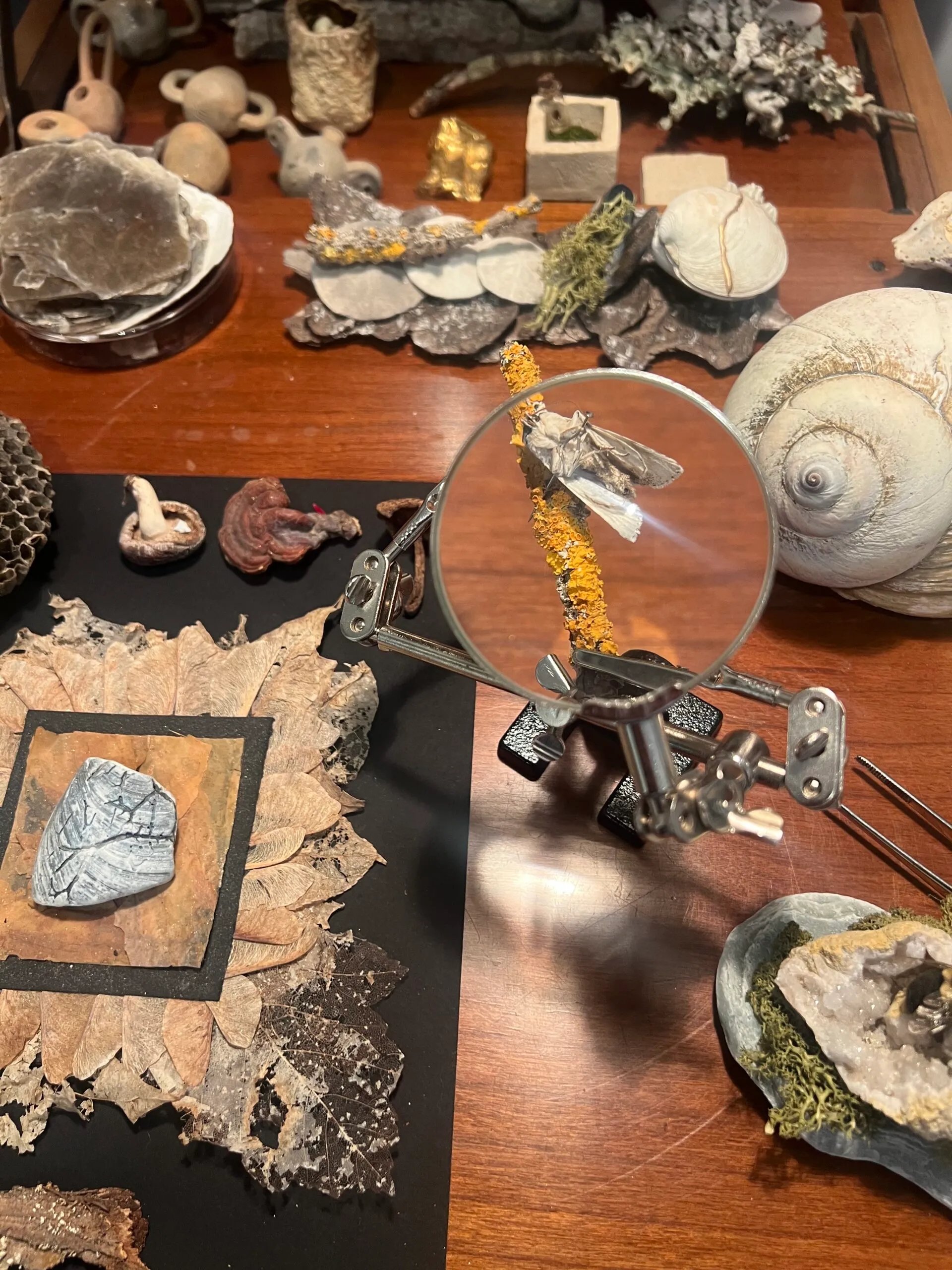
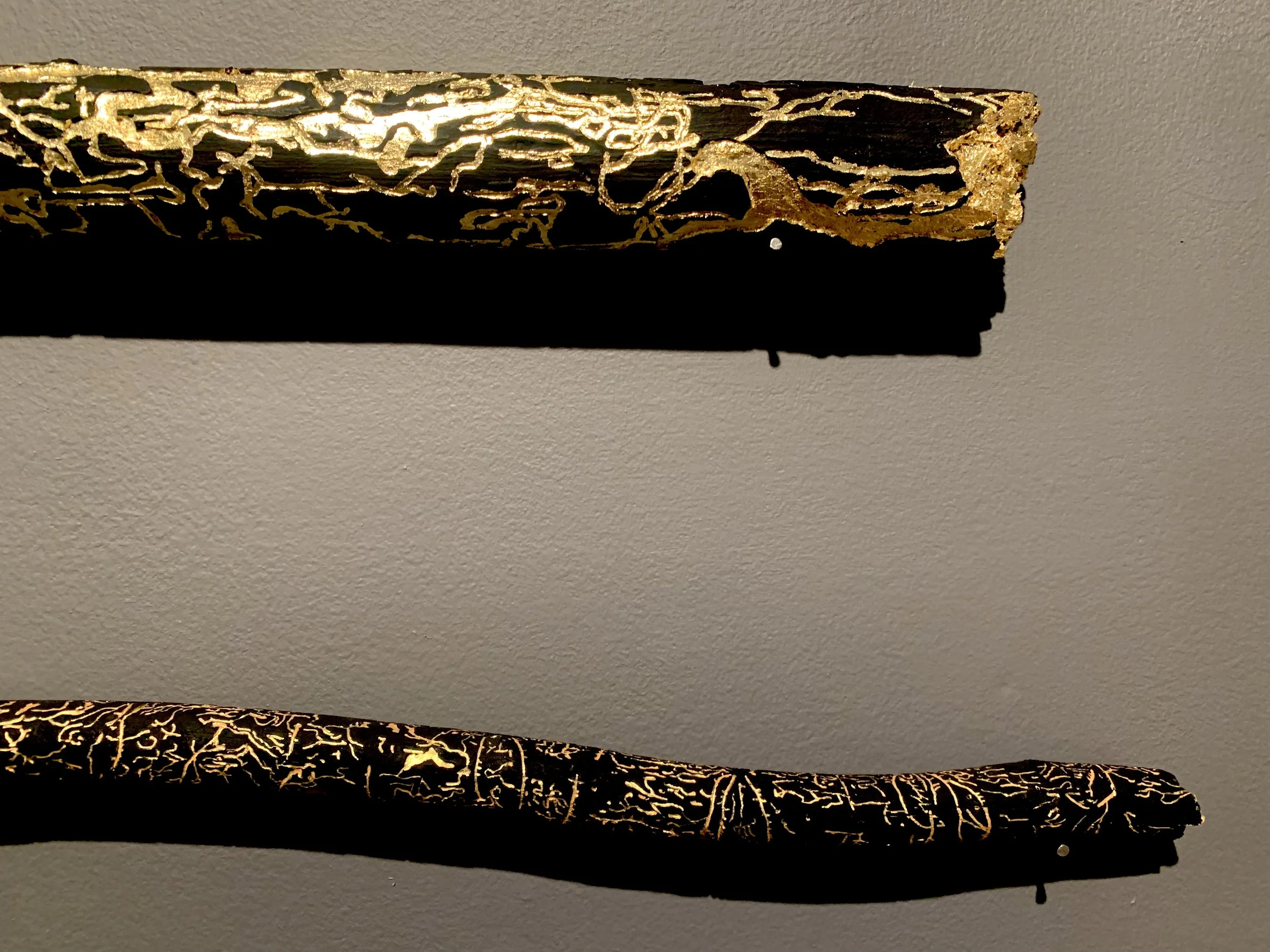
“In this interspecies collaboration, Ryan gilds the galleries by hand, much like a medieval manuscript illuminator reverently embellishing a passage of scripture.
This wager on meaning is not merely metaphorical. Ryan also feeds these beetle graphics into language recognition software, seeking out poetic phrases encoded in the curious calligraphy. Whether she believes such phrases to be intentional or not is almost beside the point: she deliberately leaves the door open to such mystical possibilities, positing a world in which secret scriptures could be carved right beneath our eyes.”
-Dr. Aaron Rosen, Christian Century






What does the beetle see?
Speculative beetle POV
Speculative beetle POV
low fire Clay imprints of birch and pine beetle galleries From Örö, FI


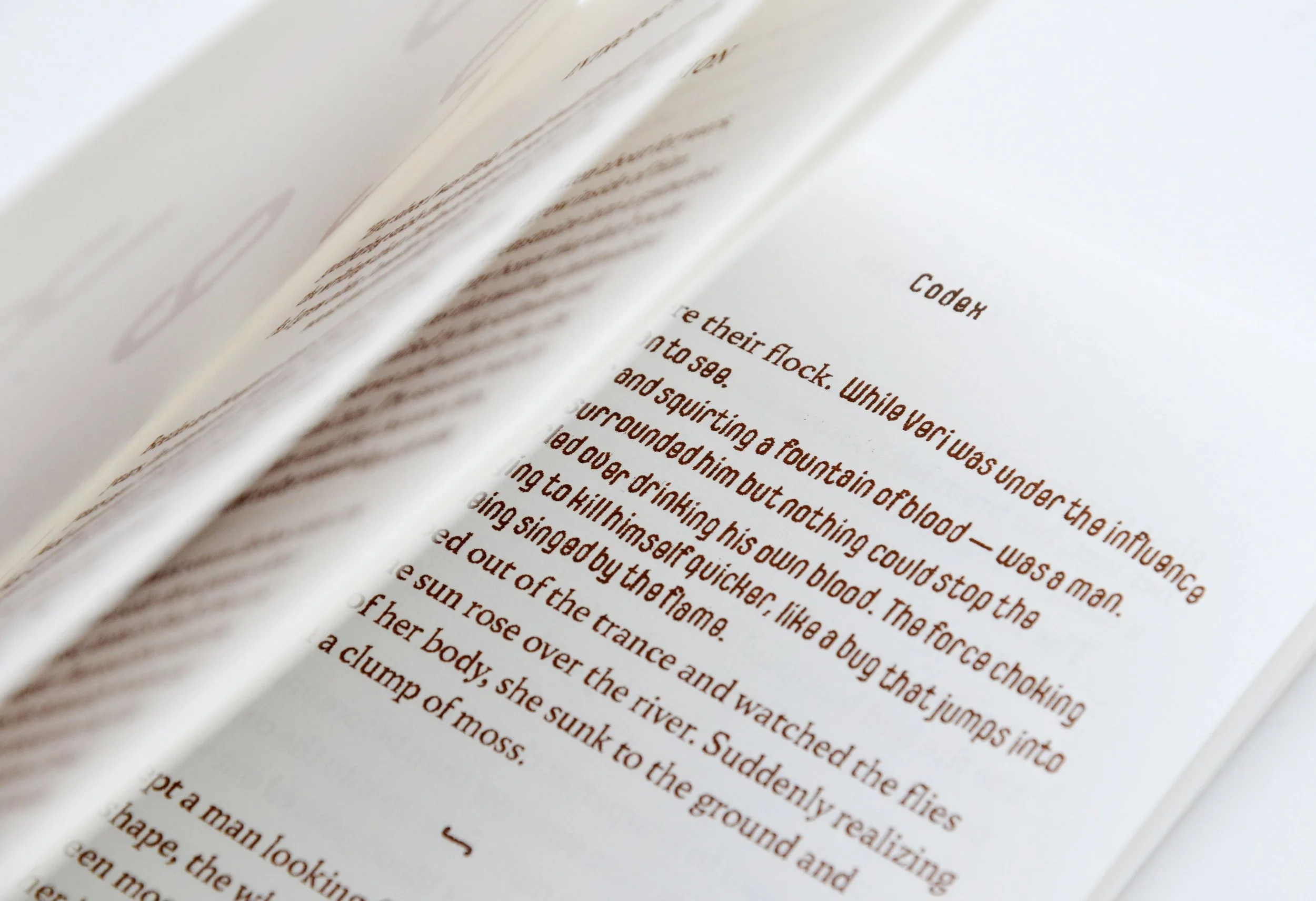
The Finnish Stories : Speculatively translated from birch and pine. 2022
click to buy “CODEX”
